Skip to content


When you notice more hair in the shower drain or thinning patches around your temples, it’s natural to wonder whether your drinking habits could be playing a role. The question of whether alcohol causes hair loss is more complex than a simple yes or no. While alcohol doesn’t directly attack hair follicles the way chemotherapy might, chronic drinking sets off a cascade of nutritional, hormonal, and physiological disruptions that can lead to noticeable thinning and shedding.
The good news is that alcohol-related hair damage is often reversible. With sustained sobriety, proper nutrition, and evidence-based treatment for alcohol use disorder, many people see significant regrowth within months. Understanding the mechanisms behind alcohol and hair thinning can help you make informed decisions about your health and recognize that hair loss is just one visible sign of how alcohol affects your body systemically.

How Alcohol Disrupts Hair Growth and Scalp Health
Hair grows in a predictable cycle with three phases: anagen (active growth lasting 2 to 7 years), catagen (a brief transitional phase of about 2 weeks), and telogen (a resting phase of roughly 3 months before the strand sheds). Healthy hair depends on follicles receiving adequate nutrients, oxygen, and hormonal signals to stay in the anagen phase as long as possible. Chronic alcohol consumption disrupts this cycle at multiple points.
Alcohol depletes essential nutrients that hair follicles need to produce keratin, the structural protein that forms each strand. B vitamins, zinc, iron, and protein are all critical for keratin synthesis. Understanding whether alcohol causes hair loss requires recognizing how heavy drinking impairs your body’s ability to absorb and utilize these nutrients. Even if your diet includes these vitamins and minerals, alcohol damages the gut lining and liver function, preventing proper nutrient uptake. Over time, this leads to weaker, thinner strands and premature shedding.
The Nutritional Deficiencies Behind Alcohol-Related Hair Thinning
When people ask, “Does alcohol cause hair loss?”, they must understand that nutritional deficiencies from alcohol are often the primary mechanism. Alcohol interferes with the absorption of vitamins and minerals in the small intestine, and it places extra metabolic demands on the liver, the organ responsible for storing and distributing nutrients throughout the body. When liver function declines due to chronic alcohol exposure, the entire body—including hair follicles—suffers from inadequate nutrient supply. Nutritional deficiencies from alcohol create a cascade of health problems, with hair loss being one of the most visible early warning signs.
Specific deficiencies create distinct patterns of hair damage. Iron deficiency anemia is one of the most common reversible causes of hair loss, and it’s prevalent among people with alcohol use disorder. Protein malnutrition weakens the hair shaft itself, making strands brittle and prone to breakage.
| Nutrient | Role in Hair Health | How Alcohol Depletes It |
|---|---|---|
| B-Complex Vitamins | Support cell division and red blood cell production, delivering oxygen to follicles | Alcohol impairs absorption in the gut and increases urinary excretion |
| Zinc | Essential for protein synthesis and tissue repair in hair follicles | Chronic drinking reduces zinc absorption and increases loss through urine |
| Iron | Carries oxygen to follicles; deficiency causes telogen effluvium (diffuse shedding) | Alcohol damages the gut lining, reducing iron absorption and storage |
| Protein | Hair is made of keratin, a protein; inadequate intake weakens strands | Heavy drinking often replaces meals, leading to insufficient protein intake |
Can Hair Grow Back After Quitting Drinking? Recovery Timeline and Expectations
One of the most common questions people ask is: Can hair grow back after quitting drinking? The answer in most cases is yes. Hair regrowth after sobriety is a gradual process that mirrors the body’s overall healing from alcohol use disorder. Understanding what to expect month by month can help you stay motivated during early recovery.
You may not see visible hair regrowth in the first three months, and some people experience increased shedding due to the physical stress of withdrawal. By the three-month mark, many people notice fine new growth along the hairline and areas of previous thinning as nutritional stores begin to replenish and the hair growth cycle starts to normalize. Between six and 12 months, most people see substantial improvement in density, strength, and reduced shedding.
| Recovery Phase | What’s Happening in Your Body | What to Expect with Hair |
|---|---|---|
| 0 to 3 Months | Detox, liver begins healing, nutrient absorption improves | Possible temporary shedding; no visible regrowth yet |
| 3 to 6 Months | Nutritional stores replenish, hormonal balance stabilizes | Fine new growth visible along hairline and thinning areas |
| 6 to 12 Months | Continued healing, improved circulation, reduced inflammation | Significant density improvement, stronger strands, less breakage |
| 12+ Months | Long-term recovery, stable health markers | Hair health approaches pre-drinking baseline for most people |
Professional treatment for alcohol use disorder accelerates this recovery process. Medical monitoring ensures that nutritional deficiencies are identified and corrected early, reducing the time it takes for your hair to grow back after sobriety. Therapy and mental health support address the underlying reasons for drinking, helping you maintain sobriety long enough for your body—and your hair—to heal fully.
Why Does Drinking Cause Baldness? Hormonal and Inflammatory Factors
Beyond nutritional deficiencies, the answer to “Why does drinking cause baldness?” also involves hormonal and inflammatory factors. Chronic drinking disrupts the balance of hormones like estrogen, testosterone, and cortisol, all of which play roles in the hair growth cycle. In men, alcohol can increase the conversion of testosterone to dihydrotestosterone (DHT), a hormone linked to male pattern baldness. In women, alcohol can alter estrogen levels, leading to hormonal imbalances that contribute to thinning. Alcohol also triggers systemic inflammation, which damages scalp tissue and can push follicles into a dormant state.
Alcohol Withdrawal and Hair Health: What to Expect in Early Sobriety
If you’re wondering whether alcohol causes hair loss even after you quit, some people notice increased shedding during the first few weeks of sobriety. This temporary increase is a response to the physical stress of alcohol withdrawal, not a sign that quitting alcohol is harming your hair. Alcohol withdrawal places significant demands on the body as it recalibrates neurotransmitter levels, hormone production, and metabolic processes. Hair follicles, which are highly sensitive to systemic stress, may react by entering the telogen phase prematurely. This phenomenon, known as telogen effluvium, typically resolves on its own within a few months as the body adjusts to sobriety. Professional detox programs provide the medical oversight needed to manage withdrawal symptoms safely, reducing the overall stress on your body and minimizing the impact on alcohol withdrawal and hair health.
Reversing Hair Damage From Alcoholism: Treatment and Nutritional Support
Evidence-based treatment programs include medical detox, individual and group therapy, and nutritional counseling to rebuild your body’s nutrient stores. Reversing hair damage from alcoholism is a natural byproduct of overall physical recovery, and the same interventions that support liver health, mental health, and cardiovascular health also promote healthier hair.
Nutritional therapy is a core component of alcohol use disorder treatment. A registered dietitian or nutritionist can assess your specific deficiencies and create a plan to restore optimal levels of B vitamins, zinc, iron, protein, and other essential nutrients. As your mental health improves through therapy and treatment, so does your body’s ability to heal, including the restoration of healthy hair growth and improved scalp health.
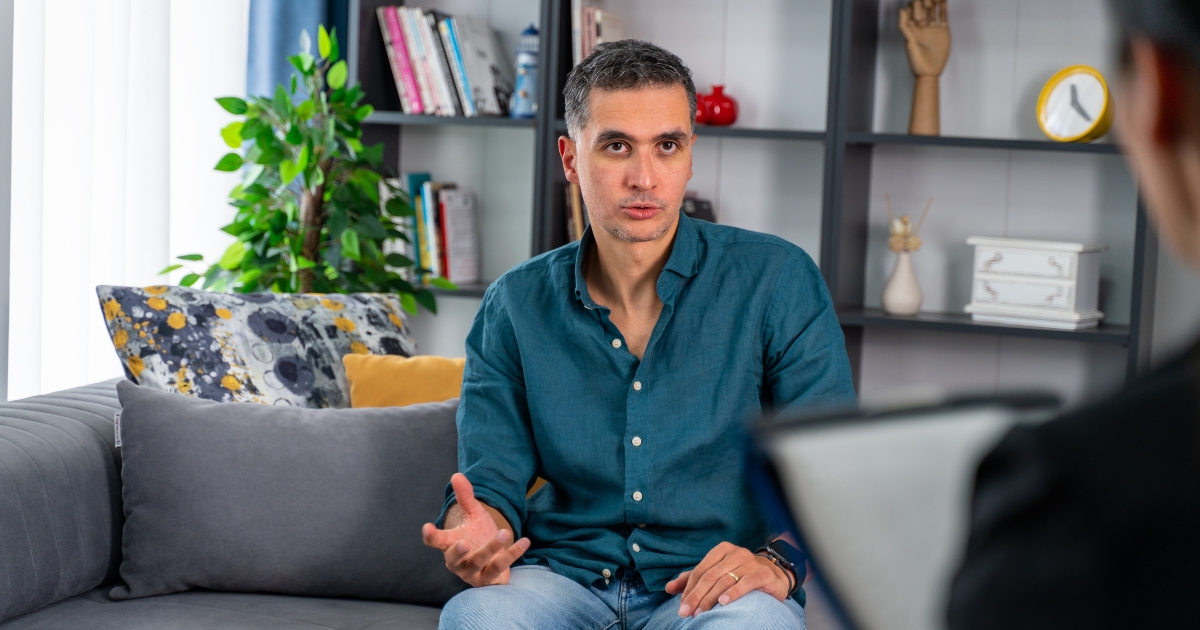
Start Your Recovery Journey Today at Tennessee Behavioral Health
Hair loss is just one visible sign of how alcohol affects your overall health, but it’s a powerful reminder that your body is asking for help. The good news is that with sustained sobriety, proper nutrition, and evidence-based treatment, most people see significant improvement in hair density and scalp health within months. Tennessee Behavioral Health offers comprehensive alcohol use disorder treatment that includes medical detox, nutritional support, individual and group therapy, and mental health care tailored to your unique needs. Our team understands that recovery is a holistic process, and we’re here to support every aspect of your healing. If you or someone you love is struggling with alcohol use and noticing changes in hair health or other physical symptoms, reach out today to learn how our evidence-based programs can help you reclaim your health and confidence.
FAQs
These are the most common questions people ask when they notice hair changes related to drinking. Understanding the timeline, mechanisms, and recovery process can help you make informed treatment decisions.
1. How much alcohol do you need to drink to cause hair loss?
There’s no universal threshold—hair loss is tied to chronic heavy drinking over time rather than a specific number of drinks. Individual factors like genetics, diet, and overall health influence how your body responds—some people may experience changes with lower consumption levels.
2. How long until hair grows back after sobriety?
Most people begin to see fine new growth within 3 to 6 months of sustained sobriety as nutritional deficiencies resolve and the hair growth cycle normalizes. Significant improvement in density and strand strength typically occurs between 6 and 12 months.
3. What vitamins should I take if alcohol is causing hair loss?
Focus on B-complex vitamins (especially biotin, B12, and folate), zinc, iron, and vitamin D, but consult a healthcare provider for proper testing and dosing before starting supplements. Professional addiction treatment programs often include nutritional assessments to identify specific deficiencies and create a tailored supplementation plan.
4. Does alcohol withdrawal make hair loss worse temporarily?
Some people notice increased shedding during the first few weeks of withdrawal due to the physical stress the body experiences as it adjusts to sobriety. This temporary increase is a response to systemic stress, not a sign that quitting is harmful. Hair growth usually stabilizes within a few months once withdrawal is complete and the body begins healing.
5. Can alcohol cause permanent baldness?
While chronic alcohol abuse can damage hair follicles, permanent baldness is rare unless other factors like genetics or autoimmune conditions are involved. Most alcohol-related hair loss is reversible with sustained sobriety, proper nutrition, and medical support during recovery.