

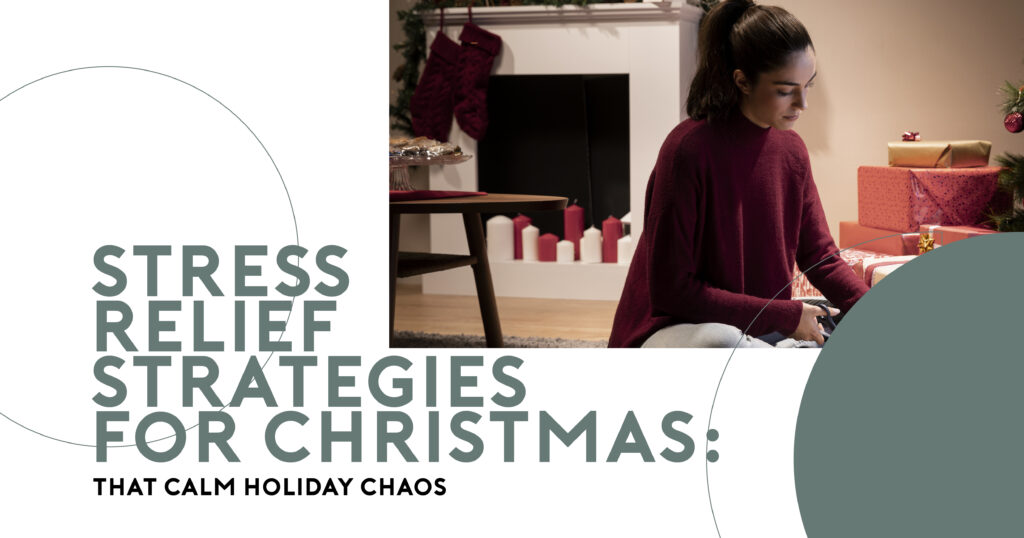
Holidays sneak up on you. One minute, you’re finishing leftover Halloween candy. The next time you’re staring at twinkling lights. Wondering how you’re supposed to juggle work and gifts. Also, travel and family drama. All of this without losing your mind. Most people won’t admit how heavy it feels. Christmas is painted as joy-on-demand. Behind the scenes, there’s budgeting stress. Emotional pressure and expectation.
These stress relief strategies for Christmas work. It stops you from pretending the season is magical by default. You focus on finding space to breathe. To feel grounded. Holidays become more human and less hectic. Especially if you’re already stretched thin. Tennessee Christmas excitement should feel warm and comforting. But sometimes you need a little guidance to get there.
Understanding How Seasonal Pressure Affects Mental Health and Well-being
Seasonal stress creeps into your head fast. One moment you’re feeling fine. Then the to-do list multiplies. You start thinking you can’t do it all. The brain treats stress, holiday or not, like a threat. That tension makes it tough to enjoy Christmas
Here’s what tends to pile up and throw your mental health off balance:
- Pressure to buy “perfect” gifts even when money’s tight.
- Family expectations, some spoken, some passive-aggressive (you know how it goes).
- Crowded schedules that leave zero room for downtime.
- Emotional triggers tied to memories or missing loved ones.
- Trying to host, cook, decorate, and smile, all at the same time.
People aren’t imagining the overwhelm. Christmas really can shake your emotional well-being. Especially if you’re prone to stress. Or dealing with mood disorders. Specifically, ones that flare up under pressure. Recognizing that creates awareness.
Christmas Anxiety Tips for Calmer Days and Nights
Holiday anxiety has this way of showing up at the worst times, like right before bed when your brain suddenly decides to replay the entire gift list. Or when you’re driving and remember you forgot something important, again. So, let’s look at some calming approaches in a clear, simple way.
| Christmas Anxiety Trigger | What It Looks Like | Helpful Response |
| Overloaded schedules | Feeling rushed, scattered, short-tempered | Set time boundaries, decline events, plan rest window |
| Financial pressure | Guilt, worry, overspending | Create spending caps, communicate limits, use lists |
| Family tension | Dread, irritability | Prepare topics, set emotional boundaries |
| Unrealistic expectations | Perfectionism, burnou | Simplify plans, lower standards, focus on meaning |
| Sensory overload | Noise, crowds, chaos | Step away, deep breathing, grounding exercises |
Even small shifts can help. Things like turning down the noise. A quieter house, softer lights, and moments alone. Even a calming playlist makes a difference. And if night anxiety hits, try journaling.
Festive Self-Care Routines That Protect Energy and Mood
Festive self-care routines are a survival tool for holidays. It doesn’t have to be elaborate. You don’t need a three-hour spa ritual. You just need consistent things that refill your battery.
Simple Daily Habits to Restore Balance During the Holidays
Sometimes the simplest routines help the most:
Taking a slow morning. Eating something nourishing before diving into sugar-heavy treats. Grabbing ten quiet minutes in the car before walking into a loud room. These tiny choices create the space your brain needs to settle. During Christmas, your nervous system is basically begging for slower moments, even if you have to fight for them. And yes, fight for them. They matter.

Mindful Holiday Planning and Holiday Time Management Made Simple
Planning might sound boring (or too Type-A). But the right mindful holiday planning makes the season feel lighter. Force your days into a rigid structure. Sketch a loose map. So you don’t get lost in the season’s chaos. Many people hate planning. But love how relaxed they feel after doing it.
Keeping plans realistic is the real trick. People underestimate how long wrapping gifts takes. Or how draining back-to-back events are. They blame themselves for feeling overwhelmed. But the schedule was unmanageable from the start. Planning mindfully isn’t about perfection. It’s about truth-telling.
Try scheduling rest hours first. You’re blocking off little protected pockets of peace. It sounds counterintuitive, but works.
Coping with Family Gatherings and Relaxation Techniques for Christmas
Coping with family gatherings can be difficult. Even in loving families, holiday tension happens. Usually, because everyone is tired. Overstimulated and carrying their own expectations.
This is where boundaries show up. The word “boundaries” can sound clinical. But they’re really just the ways you protect your peace. They help you manage emotions. You can then pick your battles wisely. Or, not pick them at all.
Here are a few practical, grounding relaxation strategies that help during family events:
- Taking a brief walk outside.
- Using slow breathing techniques,
- Texting a friend who makes you laugh
- Keeping conversations neutral
- Having an exit plan
These small habits help your nervous system. You learn not to spiral. Christmas doesn’t have to feel like emotional dodgeball.
Maintaining Perspective, Gratitude, and Joy Through the Season
Some years, Christmas feels magical. Other years, it feels like a storm cloud. And that’s okay. It helps to zoom out. Remember that the season is a moment. It’s not a test of your worth, family, or finances. Or your ability to create a flawless holiday. Perfection is overrated and exhausting.
Gratitude gets talked about so much that people tune it out. When you approach it gently, not as a chore, it’s grounding. Pausing to notice warm lights on a cold night. Or the smell of cookies baking. Maybe someone laughing across the room. Those tiny snapshots anchor you emotionally. They make the season feel softer, more human.
Joy doesn’t have to come from something big. Sometimes it’s a quiet morning. Or budgeting for Christmas gifts. Let the small things count.

Learn More at Tennessee Behavioral Health
If you’re reading this and realizing the holidays take more out of you than you expected, that’s honestly such a normal reaction. People carry silent holiday stress. They also don’t reach out for help. Because they think they “should be fine.” Emotional strain isn’t something you power through. Support makes a huge difference.
Tennessee Behavioral Health offers compassionate guidance. Especially for seasonal overwhelm. Anxiety spikes, family stress, and all the complex feelings. They tend to show up in December. If you feel like you’d benefit from professional support, or even just a conversation, you can reach out anytime at Tennessee Behavioral Health. You don’t have to navigate the holidays alone.
FAQs
How can holiday stress management strategies help in reducing Christmas anxiety?
Holiday stress management gives your brain and body a clearer way to handle the chaos of the season. When you add structure, boundaries, and breaks, anxiety has fewer places to take over.
What are some effective Christmas anxiety tips for maintaining a calm mindset during the festive season?
Simple breathing techniques, slower pacing, and realistic expectations can make a huge difference. Christmas anxiety tips, like stepping outside for fresh air, help calm your nervous system.
Which festive self-care routines are essential for preserving energy and mood throughout the holidays?
Daily grounding routines, like slow mornings, healthy meals, and intentional quiet time, keep your energy steady. Small habits practiced consistently work better than big, occasional self-care moments.
How can mindful holiday planning and efficient holiday time management contribute to a stress-free Christmas?
Holiday time management keeps overwhelm from snowballing. You avoid overbooking yourself and protect space for rest, which makes the whole season feel more manageable.
What are practical ways to budget for Christmas gifts while ensuring financial stability?
Setting spending caps, making lists, and avoiding impulse purchases help keep finances steady. Clear communication with family about gift expectations also prevents financial strain.