Skip to content

Reading Time: 5 mins
Someone you care about has changed. They have lost weight rapidly, stay awake for days at a time, and seem like a different person than the one you knew. You have heard whispers about a drug called crank, and you are searching for answers about what it is and what it does to people. The changes you are witnessing may have an explanation—and understanding the crank drug is the first step toward helping someone find their way back.
What is crank? “Crank” is a street name for methamphetamine, a powerful and highly addictive stimulant that devastates lives, families, and communities. This guide explains how the crank drug affects the brain and body, the warning signs of meth addiction, and why professional treatment offers the best path to recovery from this destructive substance use disorder.
What Is Crank and Why Is It Dangerous
Crank is one of many street names for methamphetamine, a synthetic stimulant that produces intense euphoria followed by devastating crashes. The drug is manufactured in illegal laboratories using combinations of toxic chemicals, meaning users never know exactly what they are putting into their bodies. Methamphetamine is classified as a Schedule II controlled substance, indicating high potential for abuse and severe psychological or physical dependence.
How Crank Differs From Other Methamphetamine Forms
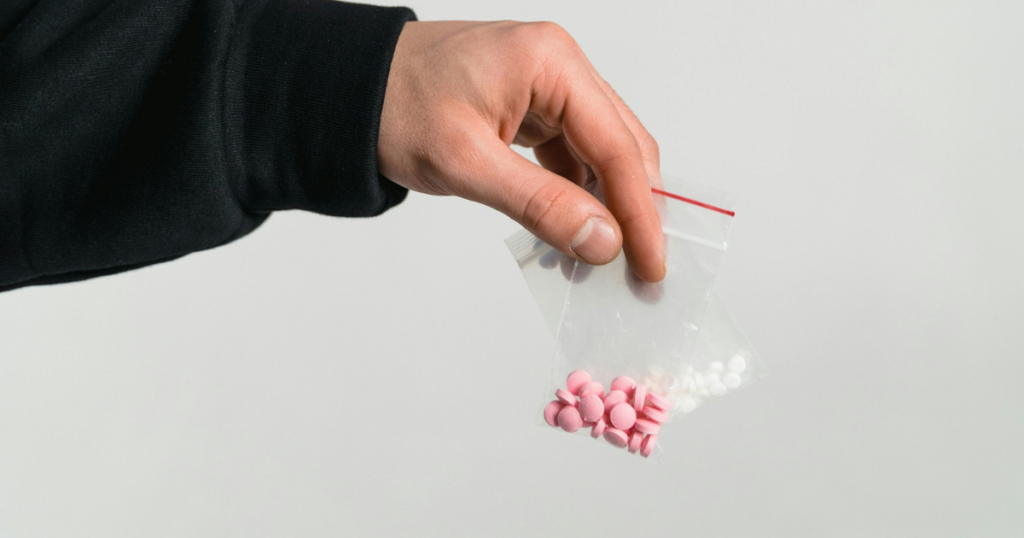
“Crank” typically refers to a lower-purity form of methamphetamine that appears as a yellowish or off-white powder. It differs from crystal meth, which is a purer, crystalline form of the same drug. However, the distinction matters less than people think—both forms are highly addictive, dangerous, and capable of destroying lives. The manufacturing process for crank often involves more impurities, adding additional health risks from toxic contaminants.
Street Names and Methods of Use
Methamphetamine goes by numerous street names, including crank, speed, ice, crystal, glass, and tweak. Users consume the crank drug through various methods:
- Smoking. Heating the drug and inhaling vapors produces rapid, intense effects
- Snorting. Inhaling powder through the nose causes damage to the nasal passages
- Injection. Dissolving and injecting produce immediate effects and the highest overdose risk
- Oral ingestion. Swallowing produces a slower onset but longer duration
According to the National Institute on Drug Abuse (NIDA), methamphetamine use has increased significantly in recent years, with overdose deaths involving the drug rising dramatically across the United States.
How Crank Affects the Brain and Body
Methamphetamine produces its effects by flooding the brain with dopamine, a neurotransmitter associated with pleasure, motivation, and reward. The surge of dopamine is far greater than what natural activities produce, creating intense euphoria that the brain quickly learns to crave.
Short-Term Effects and Immediate Dangers
The short-term crank side effects include intense euphoria, increased energy, decreased appetite, and heightened alertness. However, these come with dangerous physiological changes, including dramatically elevated heart rate and blood pressure, hyperthermia, and risk of cardiovascular events. Users may stay awake for days during binges, leading to severe sleep deprivation that compounds the drug’s toxic effects.
Long-Term Health Risks of Chronic Crank Use
Long-term meth addiction produces devastating health consequences that affect virtually every system in the body. The following table outlines major health impacts:
| Body System | Long-Term Damage From Methamphetamine |
| Cardiovascular | Heart disease, irregular heartbeat, increased stroke risk |
| Dental | Severe tooth decay and gum disease (meth mouth) |
| Dermatological | Skin sores from picking, premature aging, and poor wound healing |
| Respiratory | Lung damage from smoking, increased susceptibility |
| Neurological | Cognitive decline, memory impairment, movement disorders |
| Immune system | Weakened immunity, increased infection and illness |
Physical Deterioration From Prolonged Abuse
Physical deterioration from chronic crank use is often dramatic and visible. Rapid weight loss, dental destruction, skin problems, and premature aging can make users appear decades older than their actual age. The combination of poor nutrition, sleep deprivation, and toxic effects produces a distinctive physical decline that often shocks family members who have not seen the person recently.
Mental Health Consequences of Methamphetamine Addiction
Mental health consequences of stimulant abuse include severe anxiety, paranoia, hallucinations, and psychosis. Methamphetamine-induced psychosis can persist for months after stopping use and may resemble schizophrenia. Depression during methamphetamine withdrawal is often severe, contributing to relapse as users seek relief from overwhelming negative emotions.
Recognizing the Signs of Crank Use
Recognizing signs of meth use early can enable intervention before the substance use disorder progresses to its most destructive stages. Both behavioral and physical indicators provide warning signs that someone may be using methamphetamine.
Behavioral Warning Signs in Users
Behavioral warning signs include:
- Extended periods of wakefulness followed by crashes lasting days
- Increased agitation, irritability, and aggressive behavior
- Paranoid thinking and suspiciousness of others
- Obsessive, repetitive behaviors like cleaning or disassembling objects
- Social withdrawal and abandonment of previously important activities
- Financial problems, stealing, or other uncharacteristic behaviors
Physical Indicators of Methamphetamine Abuse
Physical indicators include dramatic weight loss, dilated pupils, excessive sweating, skin sores or picking marks, dental deterioration, and facial changes, including sunken cheeks and premature aging. Users may also exhibit rapid eye movement, twitching, and jerky body movements.
The Substance Abuse and Mental Health Services Administration (SAMHSA) provides resources for families concerned about a loved one’s substance use, including information about intervention approaches and treatment options.
The Addiction Cycle and Why Crank Is Difficult to Quit
Methamphetamine creates one of the most powerful addiction cycles of any drug. The intense euphoria during use, followed by severe depression during withdrawal, creates a pattern that is extremely difficult to break without professional help. The brain changes produced by chronic use mean that users cannot simply feel normal without the drug—they feel profoundly depressed, exhausted, and unable to experience pleasure. This drives continued use despite devastating consequences.
Treatment and Recovery Support at Tennessee Behavioral Health
Recovery from meth addiction is possible, but it typically requires comprehensive professional treatment. The neurological damage from methamphetamine means that withdrawal and early recovery are particularly challenging, with intense cravings and severe depression that can persist for months. Professional treatment provides medical support, therapeutic intervention, and the structured environment necessary for the brain to begin healing.
At Tennessee Behavioral Health, we provide specialized treatment for methamphetamine addiction and other substance use disorders. Our programs address both the physical aspects of addiction and the underlying psychological factors that contribute to substance abuse. We offer medically supervised detox, individual and group therapy, and comprehensive aftercare planning to support long-term recovery.
Is someone you love showing signs of meth use, or are you struggling with methamphetamine addiction yourself? Contact Tennessee Behavioral Health today to learn how professional treatment can provide the support needed for lasting recovery.

FAQs
What makes crank different from crystal meth?
“Crank” typically refers to a lower-purity powder form of methamphetamine, while “crystal meth” is a purer, crystalline form. Both are the same drug with identical addictive properties and health risks, though crank may contain more toxic impurities from manufacturing.
How quickly can someone become addicted to methamphetamine?
Addiction can develop rapidly with methamphetamine, sometimes after just a few uses, because the intense dopamine surge creates powerful cravings. The speed of addiction depends on factors including method of use, frequency, and individual vulnerability.
What does methamphetamine withdrawal feel like?
Methamphetamine withdrawal typically involves severe depression, intense fatigue, increased appetite, and powerful cravings that can persist for weeks or months. The psychological symptoms are often more challenging than physical symptoms.
Can the brain recover from methamphetamine damage?
Research shows that some brain recovery is possible with sustained abstinence, though the timeline varies, and some damage may be permanent. Dopamine system recovery can take 12-18 months or longer of complete abstinence.
Why is professional treatment important for meth addiction?
Professional treatment provides medical supervision during withdrawal, addresses underlying psychological issues, and offers structured support during the vulnerable early recovery period. The severity of methamphetamine addiction makes self-directed recovery extremely difficult.