Skip to content


Key Takeaways
- Suboxone is an FDA-approved medication that combines buprenorphine and naloxone, used primarily to treat opioid use disorder.
- It works by easing opioid cravings and withdrawal without producing a strong high, helping people stabilize and engage in recovery.
- Suboxone is not FDA-approved for pain, though its buprenorphine component has pain-relieving properties and is sometimes used off-label, mainly for people who also have opioid use disorder.
- As part of medication-assisted treatment, Suboxone improves outcomes and reduces the risk of overdose.
- Suboxone must be prescribed and monitored by a qualified provider; this article is educational, not medical advice.
For people caught in the grip of opioid addiction, few decisions feel more important than choosing the right treatment. One medication comes up again and again in that conversation: Suboxone. If you or a loved one is considering it, you may be wondering what Suboxone is used for, how it works, and what results patients can realistically expect. This guide explains its clinical applications and patient outcomes in plain language.
Before we begin, an important note: Suboxone is a prescription medication that should only be taken under the supervision of a qualified provider, and this article is educational, not medical advice. If you or someone you love is struggling with opioids, help is available — you can reach the SAMHSA National Helpline any time at 1-800-662-HELP (4357), which is free and confidential.
What Is Suboxone and How Does It Work in Treatment?
So, what is Suboxone used for, and how does it actually work? Suboxone is an FDA-approved medication that combines buprenorphine and naloxone to treat opioid use disorder. Taken as a film or tablet that dissolves under the tongue or in the cheek, usually once a day, it works in the brain to reduce opioid cravings and ease withdrawal symptoms without producing the intense high of full opioids like heroin or fentanyl. This stability is what allows people to step back from active addiction and focus on recovery.
The Role of Buprenorphine in Medication-Assisted Treatment
Buprenorphine is the active, therapeutic ingredient in Suboxone. It is a “partial opioid agonist,” meaning it attaches to the same brain receptors as opioids but activates them only partially — enough to quiet cravings and withdrawal, but not enough to cause a dangerous high. It also has a “ceiling effect” that lowers overdose risk, and it binds so strongly that it blocks other opioids from taking hold. Within medication-assisted treatment (MAT), buprenorphine provides the physical stability that makes counseling and behavioral therapy far more effective.
How Suboxone Differs From Other Opioid Medications
The second ingredient, naloxone, sets Suboxone apart. Naloxone is an opioid blocker included as a built-in safety feature: taken as directed, it has little effect, but if the medication is misused by injection, it can trigger withdrawal, discouraging misuse. Compared with full opioids, Suboxone carries a much lower overdose potential; and unlike methadone, buprenorphine can often be prescribed in office-based settings rather than specialized clinics, which expands access to treatment.
Clinical Applications for Opioid Use Disorder
The primary, FDA-approved use of Suboxone is treating opioid use disorder as part of medication-assisted treatment. It is used across the stages of recovery: during early treatment to manage withdrawal, and then as ongoing “maintenance” medication to prevent relapse by keeping cravings in check. By stabilizing brain chemistry disrupted by long-term opioid use, Suboxone gives people the mental and physical space to rebuild their lives, relationships, and health.
Treating Opioid Dependence With Medication-Assisted Approaches
Treating opioid dependence effectively almost always means more than medication alone. Medication-assisted treatment pairs Suboxone with counseling, behavioral therapy, and support — an approach endorsed by leading health agencies as a gold standard for opioid use disorder. The medication addresses the physical pull of dependence, while therapy addresses the patterns, triggers, and life circumstances that fuel addiction — together producing far better results than either alone.
Managing Withdrawal Symptoms During Recovery
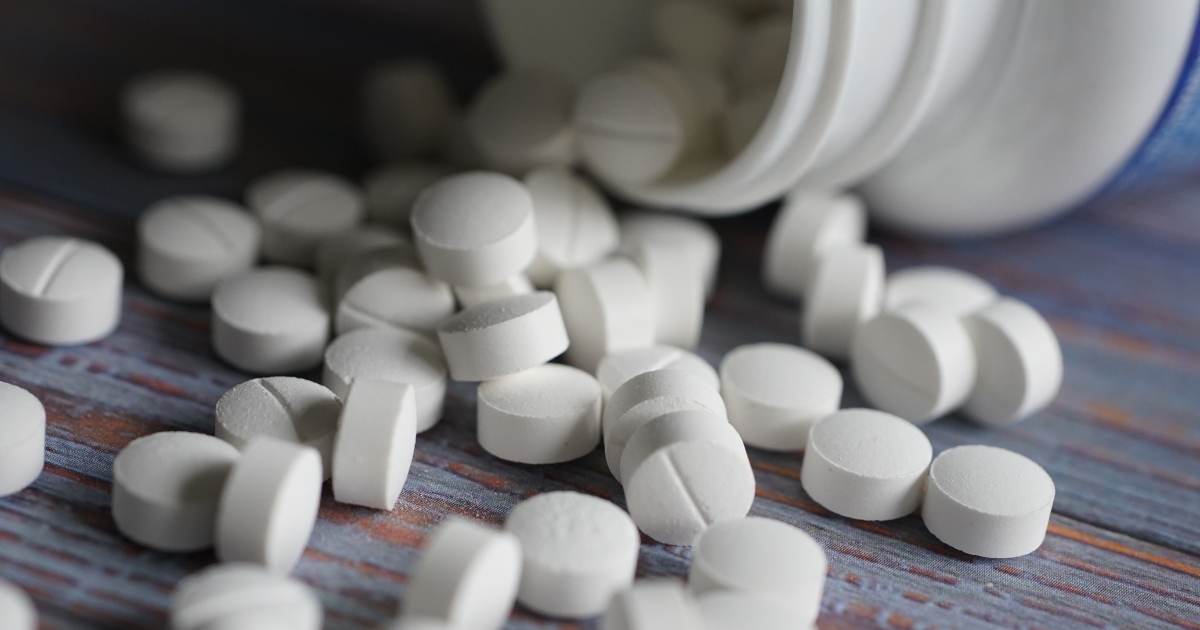
One of Suboxone’s most valuable roles is easing opioid withdrawal — the intensely uncomfortable symptoms (body aches, nausea, anxiety, insomnia, cravings) that make quitting opioids so difficult. By partially activating opioid receptors, buprenorphine calms these symptoms and blunts cravings, making the earliest and hardest days of recovery far more bearable. Timing matters, though: Suboxone is typically started only once a person is already in mild-to-moderate withdrawal, because starting too early can trigger sudden, “precipitated” withdrawal — which is one reason medical supervision is essential.
Pain Management Considerations in Addiction Treatment
Here is where an important clarification is needed. Despite the way it is sometimes discussed, Suboxone is not FDA-approved for pain — it is approved only for opioid use disorder. That said, its buprenorphine component does have genuine pain-relieving properties, and doctors sometimes prescribe it off-label for chronic pain, mainly in people who also have opioid use disorder. Other buprenorphine formulations (such as certain patches and buccal films) are specifically FDA-approved to treat pain.
Balancing Pain Relief With Addiction Prevention
For patients who live with both chronic pain and opioid use disorder, treatment requires careful balance. Standard opioid painkillers carry a high risk of relapse and overdose for someone in recovery, so clinicians may turn to buprenorphine-based options that can address pain while maintaining the protection against misuse and overdose that MAT provides. These are complex, individualized decisions that belong in the hands of an experienced medical team — never a do-it-yourself approach.
Patient Outcomes and Treatment Success Rates
Having explained what Suboxone is used for and how it works, the natural question is whether it actually helps — and the evidence is strong. As part of medication-assisted treatment, buprenorphine significantly reduces illicit opioid use, keeps more people engaged in treatment, and — critically — reduces the risk of fatal overdose. Research has found that medications like buprenorphine can cut opioid-related mortality substantially compared with no medication. These are not just statistics: they represent people staying alive long enough to recover.
Long-Term Recovery Metrics and Quality of Life Improvements
Beyond survival, long-term Suboxone treatment is linked to meaningful improvements in quality of life. When cravings and withdrawal no longer dominate every day, people are better able to hold jobs, repair relationships, and care for their health and families. Many stay on Suboxone for months or years, and there is no single “right” length of treatment — the goal is stability and wellbeing, guided by the person and their care team rather than an arbitrary timeline.
Factors That Influence Individual Treatment Response
Not everyone responds identically. Individual outcomes are shaped by the severity and duration of opioid use, co-occurring mental health conditions, chronic pain, social support, and how fully a person engages with counseling and other services. Consistency matters too — taking the medication as prescribed and staying connected to care are among the strongest predictors of success.
Addiction Treatment Protocols and Clinical Best Practices
Effective addiction treatment with Suboxone follows established clinical best practices. Care typically moves through phases: induction (starting the medication safely, during withdrawal), stabilization (finding the dose that controls cravings without troublesome side effects), and maintenance (ongoing treatment paired with therapy). Dosing is always individualized and determined by a clinician — never self-adjusted. Regular follow-up, monitoring, and a comprehensive plan that treats any co-occurring conditions round out best-practice care.
Recovery Support and Ongoing Care at Tennessee Behavioral Health
Understanding what Suboxone is used for is only the beginning; using it well is what changes lives. Suboxone is a powerful tool, but it works best as part of a complete, compassionate recovery program. Wrapping medication in counseling, community, and continued support is what turns short-term stabilization into lasting change.
At Tennessee Behavioral Health, our team provides medically supervised, evidence-based addiction treatment — including medication-assisted treatment and support for co-occurring mental health conditions — to help you or your loved one recover safely. If you are ready to take the first step, contact Tennessee Behavioral Health to learn about your options.

FAQs
Can Suboxone treat both opioid addiction and chronic pain simultaneously?
In some cases, yes — but with important caveats. Suboxone is FDA-approved to treat opioid use disorder, not pain, so any use for pain is off-label. For patients who have both opioid use disorder and chronic pain, a clinician may use buprenorphine-based treatment to address both at once, since buprenorphine does relieve pain. This is a specialized decision that requires careful medical oversight rather than a standard approach.
How long does buprenorphine typically stay in your system during treatment?
Buprenorphine is long-acting, which is part of why Suboxone is usually taken just once a day. Its effects generally last around 24 to 72 hours, and the drug can remain detectable in the body for several days after the last dose, depending on factors like dose, metabolism, and how long it has been used. Your prescriber can give you the most accurate picture for your situation.
What happens if you miss doses during medication-assisted treatment with Suboxone?
Missing doses can allow cravings and withdrawal symptoms to return, which raises the risk of relapse. Because buprenorphine is long-acting, a single missed dose may not cause immediate severe symptoms, but repeated missed doses undermine the stability the medication provides. If you miss doses or are struggling with your regimen, it is important to contact your provider rather than adjusting the medication on your own.
Are there specific opioid withdrawal symptoms that Suboxone addresses more effectively than others?
Suboxone is effective against the core physical symptoms of opioid withdrawal — body aches, nausea, sweating, chills, restlessness, insomnia — as well as the intense cravings that drive relapse. Because buprenorphine acts on the same receptors as other opioids, it directly counters the withdrawal those opioids leave behind. It is less a targeted fix for any single symptom and more a broad stabilizer that calms the whole withdrawal experience.
How do addiction treatment clinicians determine the right Suboxone dosage for individual patients?
Clinicians individualize dosing based on factors like the severity of opioid dependence, the type of opioids used, withdrawal symptoms, and how a patient responds. Treatment usually begins with an induction phase (started during withdrawal), followed by adjustment to a stabilizing dose that controls cravings with minimal side effects, and then maintenance. This is a careful, monitored process — dosages should always be set and changed by the prescriber, never self-adjusted.
This article is for educational purposes only and is not medical advice. Suboxone is a prescription medication that must be prescribed and monitored by a qualified healthcare provider; never start, stop, or adjust it on your own. If you or someone you love is struggling with opioid use, call the SAMHSA National Helpline at 1-800-662-HELP (4357), free and confidential, 24/7. In a mental health crisis, call or text 988; for a suspected overdose or medical emergency, call 911.
References
1. SAMHSA. Buprenorphine (Medications for Opioid Use Disorder). https://www.samhsa.gov/substance-use/treatment/options/buprenorphine
2. Drugs.com. Suboxone: Uses, Side Effects & Warnings. https://www.drugs.com/suboxone.html
3. NAMI. Buprenorphine/Naloxone (Suboxone). https://www.nami.org/treatments-and-approaches/mental-health-medications/types-of-medication/buprenorphine-naloxone-suboxone/
4. UF Health. Suboxone Use. https://ufhealth.org/conditions-and-treatments/suboxone-use