

Reading Time: 7 mins
Across Tennessee, emergency rooms are seeing a disturbing trend: teenagers and young adults arriving unconscious, their breathing dangerously slow, their lips tinged purple from a homemade concoction known as lean. Understanding what’s in lean is the first critical step for parents, educators, and community members who want to protect young people from this deceptively dangerous substance. This isn’t a new street drug synthesized in a clandestine lab—it’s a deliberate misuse of prescription medications mixed with soda, creating what users call “purple drank” or “sizzurp.” The sweet taste and cultural references in music videos have normalized lean consumption among teens who often don’t realize they’re drinking a potent opioid cocktail that can stop their breathing within hours. What’s particularly insidious about lean is the false perception of safety: because it starts as prescription medicine and tastes like candy, many young users believe it’s somehow less dangerous than pills or powder drugs. The reality is that what’s in lean creates a deadly combination that has claimed lives across Tennessee communities, from Memphis to Nashville to Chattanooga. Every parent who finds empty prescription cough syrup bottles or notices their teen’s unexplained drowsiness needs to understand the specific ingredients that make this purple drink so lethal, and why the codeine and promethazine ingredients that form the foundation of what’s in lean are powerful central nervous system depressants that were never intended for recreational use.
The Dangerous Ingredients: What’s in Lean Explained
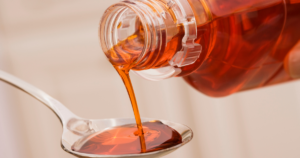
At its core, what’s in lean consists of three primary components that work together to create its characteristic effects and appearance. The foundation is prescription-strength cough syrup containing codeine and promethazine—two medications that require a doctor’s authorization because of their potency and abuse potential. Users typically pour two to four ounces of this prescription syrup into a large Styrofoam cup, then add a full can of soda (most commonly Sprite or Mountain Dew) to create the sweet, purple-tinted mixture that gives lean its street names. Understanding what lean contains helps explain why this seemingly simple mixture is so dangerous. Users often add hard candy like Jolly Ranchers to enhance the flavor and deepen the purple color, though this addition is purely aesthetic and doesn’t change the drug’s effects.
The pharmacology of what’s in lean explains why this combination is so dangerous and why prescription codeine misuse through lean has become a public health crisis. Codeine is an opioid medication that binds to opioid receptors in the brain and spinal cord to suppress pain signals and cough reflexes—but also produces euphoria, sedation, and respiratory depression at higher doses. Promethazine is a first-generation antihistamine with strong sedative properties, originally paired with codeine in prescription formulations to reduce nausea and enhance the cough-suppressing effects. When consumed in the quantities typical of lean abuse, these two medications create a synergistic effect where each amplifies the other’s central nervous system depression. Many Tennessee teens believe that because what’s in lean starts as prescription medicine, it must be safer than street drugs like heroin or fentanyl—a dangerous misconception that has contributed to rising overdose rates among young people who don’t understand they’re consuming a powerful opioid capable of stopping their breathing. The purple drank composition masks the danger behind a sweet taste that makes it easy to consume lethal amounts.
| Ingredient | Drug Class | Primary Effect | Danger Level |
|---|---|---|---|
| Codeine (60mg per ounce) | Opioid analgesic | Pain relief, euphoria, respiratory depression | High—can cause fatal overdose |
| Promethazine (6.25mg per ounce) | Antihistamine | Sedation, anti-nausea, and amplifies opioid effects | Moderate—increases overdose risk when combined |
| Soda (Sprite, Mountain Dew) | Non-drug mixer | Masks the bitter taste, dilutes the mixture | Low—facilitates the consumption of dangerous doses |
| Hard candy (Jolly Ranchers) | Flavoring agent | Enhances sweetness, changes color | None—purely aesthetic addition |
How Codeine and Promethazine Work Together to Create Deadly Effects
The specific danger of what’s in Lean comes from the pharmacological interaction between its two active ingredients, which creates Lean drug effects and dangers far more severe than either substance alone. Codeine, as an opioid, works by binding to mu-opioid receptors throughout the central nervous system, slowing down vital functions including heart rate, breathing rate, and consciousness level. Promethazine enhances these effects through its own sedative properties and by inhibiting certain liver enzymes that would normally break down codeine, effectively increasing the amount of active opioid circulating in the bloodstream. This synergistic relationship means that the codeine and promethazine ingredients deliver a more potent and longer-lasting high than users might expect based on the codeine content alone. The respiratory depression caused by this combination is the primary mechanism of lean-related deaths—users simply stop breathing while unconscious, often during sleep hours after consumption, when no one is present to recognize the emergency and call for help. The effects of what’s in lean typically last four to six hours, during which time users remain at risk for respiratory failure.
Understanding how lean is made and consumed helps explain why users underestimate its dangers until it’s too late. Unlike injecting or snorting drugs, which produce immediate, intense effects that signal danger, what’s in lean is typically sipped slowly over several hours—a consumption method that creates a gradual onset of effects that feels more controlled and manageable. This slow-sipping pattern differs fundamentally from other drug use methods because it allows users to consume dangerous amounts without experiencing immediate warning signs. Users seek the characteristic effects of what’s in lean: a floating sensation of euphoria, deep relaxation, dissociation from stress and anxiety, and a slowed perception of time that many describe as peaceful or dreamlike. These subjective experiences, however, are clinical indicators of dangerous central nervous system depression—the same physiological state that precedes respiratory failure and death. The lean drug effects and dangers are inseparable: the “high” that users chase is literally their brain and body systems shutting down to dangerous levels. Many users experience a psychological disconnect where the pleasant taste and social context prevent them from recognizing they’re experiencing a medical emergency.
- Severe respiratory depression: Breathing rate can drop below eight breaths per minute, starving the brain of oxygen and leading to unconsciousness, brain damage, or death within minutes.
- Extreme sedation and “nodding”: Users experience uncontrollable drowsiness and repeatedly drift in and out of consciousness, unable to respond to external stimuli or recognize danger signs.
- Impaired motor coordination: Loss of balance, slurred speech, and inability to perform basic tasks increase the risk of accidents, falls, and aspiration if vomiting occurs while unconscious.
- Gastrointestinal effects: Severe constipation, nausea, and vomiting are common with opioid use, and the combination with promethazine can cause dangerous drops in blood pressure.
Why Lean Is Particularly Dangerous for Tennessee’s Young People
Tennessee faces unique challenges with what’s in lean becoming normalized among adolescents and young adults across the state. The cultural influence of Southern hip-hop, which frequently references lean use in lyrics and music videos, has created a perception among Tennessee teens that sipping syrup is a harmless way to relax or enhance social experiences. This normalization is compounded by the state’s ongoing struggle with opioid addiction and prescription drug diversion, creating a larger pool of prescription codeine-promethazine syrup that can be diverted to non-medical use. Many Tennessee young people first encounter what’s in lean through older siblings, friends, or acquaintances who have access to leftover prescription cough syrup, making it seem more accessible and socially acceptable than seeking out street drugs. The accessibility of prescription medications in Tennessee communities makes cough syrup drug abuse particularly prevalent among teens who might otherwise avoid illicit substances.

The developing adolescent brain faces heightened risks from what’s in lean that adult users don’t experience to the same degree. Young brains are more susceptible to addiction, with physical dependence forming rapidly as neural pathways adapt to the constant presence of opioids. Opioid cough syrup addiction can develop within just weeks of regular use as the brain adapts to the constant presence of codeine. Tennessee’s crisis with what’s in lean is further complicated by polysubstance use patterns, where young people mix it with alcohol, benzodiazepines like Xanax, or marijuana—combinations that exponentially increase overdose risk by compounding respiratory depression. Perhaps most alarming is the increasing presence of counterfeit lean sold on the street or through social media, where what users think is prescription codeine syrup may actually contain fentanyl or other synthetic opioids that are 50 to 100 times more potent. These counterfeit versions have caused numerous overdose deaths among Tennessee teens who believed they were consuming “regular” lean and had no idea they were actually ingesting lethal doses of fentanyl. The progression from what’s in lean to stronger opioids is well-documented: many young people who start with prescription codeine misuse eventually transition to oxycodone pills, heroin, or fentanyl as their tolerance increases.
| Risk Factor | Why It Matters for Tennessee Youth | Potential Consequences |
|---|---|---|
| Developing brain vulnerability | Adolescent brains are more susceptible to addiction and long-term cognitive impacts from opioid exposure. | Faster progression to dependence, memory problems, impaired academic performance |
| Polysubstance mixing | Tennessee teens commonly combine lean with alcohol or benzodiazepines at parties. | Exponentially increased overdose risk, respiratory failure, death |
| Fentanyl contamination | Street-purchased lean may contain synthetic opioids without the user’s knowledge | Fatal overdose from first use, no tolerance to fentanyl’s potency |
| Cultural normalization | Music and social media portray lean use as glamorous and harmless | Delayed recognition of addiction, reluctance to seek help, and peer pressure to continue use |
| Limited treatment access | Rural Tennessee areas lack specialized adolescent addiction services | Untreated addiction, progression to stronger opioids, family crisis |
Get Compassionate Opioid Addiction Treatment at Tennessee Behavioral Health
If you’re concerned about a young person who’s using what’s in lean, or if you’re struggling with codeine dependence yourself, understanding that addiction is a treatable medical condition is the first step toward recovery. Tennessee Behavioral Health specializes in comprehensive opioid addiction treatment designed specifically for adolescents, young adults, and families affected by prescription codeine misuse and cough syrup drug abuse. We offer medication-assisted treatment options that ease withdrawal symptoms and reduce cravings, along with individual counseling, family therapy, and peer support groups where young people connect with others who understand the specific challenges of overcoming opioid cough syrup addiction. Our clinical team provides evidence-based care in a supportive environment where healing can begin. Recovery from what’s in lean is absolutely possible with the right support. Taking that first step to reach out for help is an act of courage that can save a life.
FAQs About What’s in Lean
Is Lean the same as regular cough syrup you buy at the store?
No, what’s in lean requires prescription-strength codeine and promethazine cough syrup, which is fundamentally different from over-the-counter medications. Store-bought cough syrups contain dextromethorphan (DXM), a non-opioid cough suppressant that produces different effects when abused and doesn’t contain the dangerous opioid component that makes lean so lethal.
Can you overdose on lean?
Absolutely—the codeine in what’s in lean is a powerful opioid that suppresses breathing, and the combination with promethazine dramatically increases overdose risk. Many Tennessee teens have died from lean-related respiratory failure, especially when they mix it with alcohol or benzodiazepines, or when they unknowingly consume counterfeit versions containing fentanyl.
How much codeine is actually in a typical lean mixture?
A standard serving of what’s in lean (typically two to four ounces of prescription syrup mixed in a 20-ounce soda) contains 120 to 240 milligrams of codeine, which is two to four times the maximum prescribed dose for legitimate medical use. Users often consume multiple servings throughout an evening, reaching dangerously high opioid levels that can easily cause fatal respiratory depression.
Why do people add candy like Jolly Ranchers to lean?
The candy enhances the sweet flavor of what’s in lean and changes the drink’s color to a deeper, more distinctive purple shade that’s become part of the cultural identity around lean use. This addition is purely aesthetic and doesn’t change the drug’s pharmacological effects or reduce its dangers in any way.
What are the signs someone is addicted to lean?
Warning signs that someone is dependent on what’s in lean include finding empty prescription cough syrup bottles, constant drowsiness or “nodding off,” slurred speech, and withdrawal symptoms like anxiety, insomnia, and flu-like symptoms when not using. Physical dependence can develop within just weeks of regular use, and many users spend significant money obtaining codeine syrup through prescription diversion or street purchases.