

Alcohol addiction affects nearly 30 million Americans aged 12 and older, making it one of the most prevalent substance use disorders in the country. When someone who has become physically dependent on alcohol tries to quit, their body can react in dangerous ways. One of the most serious risks during alcohol withdrawal is seizures.
Understanding why alcohol withdrawal causes seizures, recognizing the warning signs, and knowing when to seek medical help can be lifesaving. Safe, medically supervised detox significantly reduces these risks and sets the foundation for lasting recovery.
What Happens During Alcohol Withdrawal?
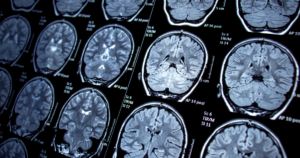
Alcohol withdrawal occurs when someone who has developed physical dependence on alcohol reduces their intake or stops drinking suddenly. Over time, heavy drinking changes brain chemistry. The brain adapts to the constant presence of alcohol, and when that alcohol is removed, the brain must readjust.
This readjustment process triggers withdrawal symptoms that can range from mild discomfort to life-threatening complications. Symptoms may begin within hours of the last drink and can persist for days or even weeks depending on the severity of the dependence.
Common alcohol withdrawal symptoms include anxiety and agitation, depression and mood changes, difficulty concentrating, fatigue and weakness, headaches, elevated blood pressure, insomnia and sleep disturbances, loss of appetite, nausea and vomiting, rapid heart rate, excessive sweating, and tremors or shakiness.
While many of these symptoms are uncomfortable but manageable, seizures represent one of the most dangerous complications of alcohol withdrawal. Research indicates that alcohol withdrawal seizures occur in 2 to 5 percent of people who stop drinking after developing dependence.
Why Does Alcohol Withdrawal Cause Seizures?
To understand why seizures occur during withdrawal, it helps to know how chronic alcohol use affects the brain. Your brain relies on neurotransmitters to regulate everything from mood to movement. Two neurotransmitters play critical roles in alcohol dependence: gamma-aminobutyric acid (GABA) and glutamate.
GABA is an inhibitory neurotransmitter that calms brain activity. Alcohol enhances GABA’s effects, which is why drinking produces relaxation and sedation. Over time, the brain compensates for this artificial boost by reducing its natural GABA production.
Glutamate is an excitatory neurotransmitter that stimulates brain activity. Alcohol suppresses glutamate, so the brain compensates by producing more of it.
When alcohol is suddenly removed, the brain is left in a hyperexcitable state. GABA levels are too low to provide adequate calming effects, while glutamate levels are abnormally high, overstimulating the brain. This imbalance can trigger seizures as the brain’s electrical activity becomes chaotic and uncontrolled.
When Do Alcohol Withdrawal Seizures Occur?
Seizures related to alcohol withdrawal typically do not happen immediately after someone stops drinking. Most people experience withdrawal seizures within 6 to 48 hours after their last drink, with the highest risk occurring during the first two days.
A seizure is an episode of abnormal electrical activity in the brain. During a seizure, the normal communication between brain cells becomes disrupted, causing changes in behavior, movements, sensations, and consciousness.
Most alcohol withdrawal seizures are generalized tonic-clonic seizures, meaning they affect the entire brain. These seizures cause loss of consciousness, falling, and violent muscle contractions or convulsions. While frightening to witness, most withdrawal seizures are brief, lasting less than five minutes.
However, the danger does not end when the seizure stops. People can injure themselves during a seizure by falling or hitting objects. Additionally, one seizure increases the risk of having more seizures, and repeated seizures can lead to serious complications.
Risk Factors That Increase Seizure Likelihood
While anyone withdrawing from alcohol dependence faces some seizure risk, certain factors make some individuals more vulnerable.
History of seizures significantly increases risk. If you have epilepsy or have experienced seizures during previous withdrawal attempts, you are more likely to have them again.
Previous withdrawal episodes create a phenomenon called kindling, where each withdrawal becomes more severe than the last. Someone who has gone through multiple withdrawal cycles faces higher seizure risk.
Head injuries including past concussions or traumatic brain injuries can lower the seizure threshold and increase vulnerability during withdrawal.
Electrolyte imbalances commonly result from prolonged heavy drinking. Low levels of calcium, sodium, and magnesium can trigger seizures during withdrawal.
Benzodiazepine use affects brain chemistry similarly to alcohol. Withdrawing from both substances simultaneously dramatically increases seizure risk.
Duration and intensity of drinking matter significantly. People who have been drinking heavily for extended periods face greater risk than those with shorter histories of alcohol use.
Understanding Delirium Tremens
Delirium tremens represents the most severe form of alcohol withdrawal and occurs in approximately 5 percent of people going through withdrawal. This condition is a medical emergency requiring immediate treatment.
Symptoms of delirium tremens include severe agitation and confusion, vivid hallucinations that may be visual, auditory, or tactile, dangerous elevations in blood pressure and heart rate, profuse sweating, high fever, and seizures.
Delirium tremens typically begins 24 to 48 hours after the last drink, though seizures may occur earlier. Without proper medical treatment, delirium tremens can be fatal. This is why medically supervised detox is so important for anyone with significant alcohol dependence.
How to Prevent and Manage Alcohol Withdrawal Seizures
The safest approach to avoiding withdrawal seizures is working with medical professionals to create a supervised detox plan. Rather than stopping alcohol abruptly, a gradual tapering process allows the brain to adjust more safely.
During medical detox, healthcare providers can administer medications that reduce seizure risk and manage other withdrawal symptoms. Benzodiazepines are commonly used during alcohol detox because they work on the same brain receptors as alcohol, helping to stabilize brain activity during the transition.
If you are unable to access medical care immediately but want to stop drinking, take precautions. Have someone stay with you who can call emergency services if a seizure occurs. Stay away from situations where losing consciousness would be dangerous, such as driving or operating machinery. Keep your environment safe by removing sharp objects and hard surfaces you could fall against.
If a seizure does occur, seek medical attention even if the episode seems to resolve on its own. You may need medication to prevent future seizures and should be evaluated for other withdrawal complications.
When to Seek Medical Help
Making the decision to quit alcohol is courageous and represents the first step toward a healthier life. However, this is not a journey you should take alone if you have been drinking heavily or for an extended period.
Seek medical assistance immediately if you or someone you care about experiences any withdrawal symptoms, especially tremors, confusion, hallucinations, or seizures. Even if symptoms seem mild initially, they can escalate quickly.
Contact a healthcare provider before stopping alcohol if you have a history of seizures or severe withdrawal, have been drinking heavily for months or years, have underlying health conditions, or take other medications that affect the brain.
Medical professionals can assess your individual risk factors and recommend the appropriate level of care, whether that means outpatient monitoring or inpatient detox.
FAQs About Alcohol Withdrawal Seizures
1. How long after quitting alcohol can seizures occur?
Most alcohol withdrawal seizures happen within 6 to 48 hours after the last drink, with the highest risk during the first two days. However, some people may experience seizures up to a week after stopping alcohol, particularly those with severe dependence.
2. Can you die from an alcohol withdrawal seizure?
Yes, alcohol withdrawal seizures can be fatal. Death can result from injuries sustained during the seizure, aspiration if vomiting occurs during unconsciousness, or complications from prolonged seizure activity. This is why medical supervision during detox is critical.
3. Will I definitely have a seizure if I stop drinking?
Not everyone who stops drinking experiences seizures. Research shows seizures occur in 2 to 5 percent of people withdrawing from alcohol. Your individual risk depends on factors like how long and how heavily you have been drinking, previous withdrawal experiences, and underlying health conditions.
4. Can medication prevent alcohol withdrawal seizures?
Yes. During medically supervised detox, healthcare providers often administer benzodiazepines or other medications that significantly reduce seizure risk. This is one of the primary reasons professional detox is safer than attempting to quit alcohol alone.
5. What should I do if someone has a seizure during alcohol withdrawal?
Call 911 immediately. While waiting for help, keep the person safe by clearing nearby objects they could hit. Do not restrain them or put anything in their mouth. Turn them on their side if possible to prevent choking. Time the seizure and report its duration to emergency responders.
Begin Your Recovery Journey with Tennessee Behavioral Health
Alcohol withdrawal is a serious medical condition that requires professional support. At Tennessee Behavioral Health, our experienced team provides safe, medically supervised detox in a comfortable environment where withdrawal symptoms and seizure risks are carefully managed. Beyond detox, we offer comprehensive therapy programs including individual counseling, group therapy, and family support to address the root causes of addiction and build a foundation for lasting recovery. You do not have to face this alone. Contact Tennessee Behavioral Health today to learn about our treatment programs and take the first step toward a healthier, alcohol-free life.