Skip to content

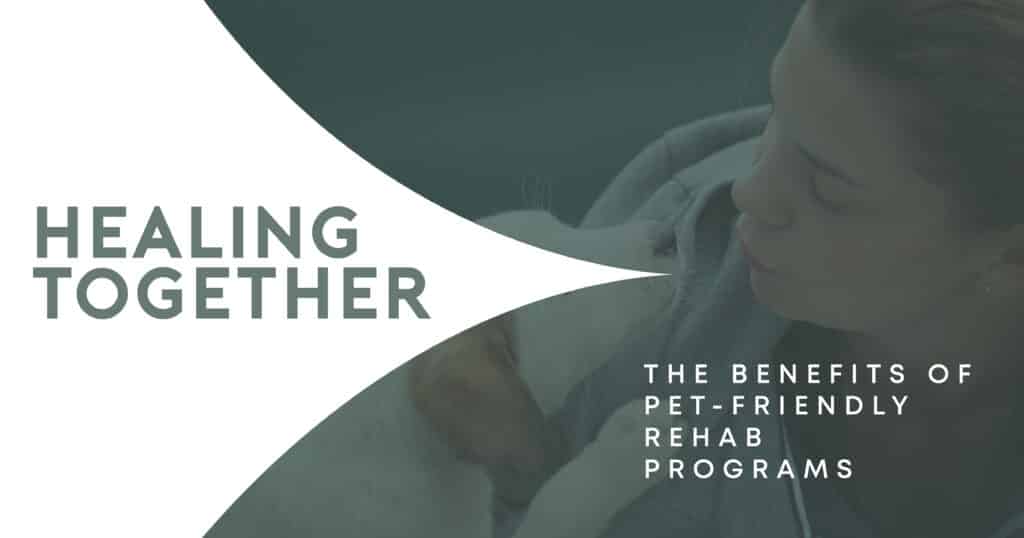
Healing from addiction is never a one-size-fits-all journey. It’s emotional, personal, and often deeply lonely. But what if you didn’t have to walk that path alone—what if your companion had four legs, a tail, and a heart full of unconditional love?
Pet-friendly rehab programs are transforming the landscape of addiction treatment by recognizing the emotional and therapeutic power of animals in recovery. More than just a comfort, pets can be a vital source of stability, empathy, and motivation during a time of profound transition.
Let’s explore how pet-friendly addiction treatment works, what it looks like in practice, and why it might be the right step forward for both you and your furry companion.
The Rise of Pet-Friendly Rehab Programs
In recent years, the healthcare world has begun to embrace a more holistic approach to healing. One of the most compelling developments in this shift is the growing popularity of rehab programs with pets allowed.
These programs acknowledge what many people already know intuitively: animals are natural healers.
Across the U.S., rehab centers are beginning to allow patients to bring their pets along during residential treatment. Others incorporate structured animal-assisted therapy sessions or work with therapy animals on-site.
This isn’t just about comfort—it’s backed by science. Studies show that interacting with animals lowers cortisol levels, reduces anxiety, and promotes a sense of connection and responsibility.
How Pets Enhance the Rehab Experience
Having a pet by your side during recovery offers a sense of normalcy and grounding in an otherwise unfamiliar environment. Animals help regulate emotions, encourage routine, and make even the most difficult days feel just a bit more manageable.
Some of the specific benefits include:
- Emotional support during moments of stress or withdrawal
- Reduced loneliness and isolation in residential care
- Encouragement to build healthy routines (feeding, walking, grooming)
- Reinforced sense of responsibility and commitment
- Increased motivation to stay on the recovery path—for your pet’s well-being, too
Animal-Assisted Therapy in Substance Abuse Recovery
Beyond just being present, many facilities now incorporate structured animal-assisted therapy (AAT) sessions. This evidence-based approach includes activities like:
- Grooming or feeding therapy animals
- Walking dogs as part of a structured fitness routine
- Reflective journaling after animal interaction
- Guided exercises with licensed animal therapists

Common Types of Therapy Animals in Rehab
While dogs are the most common animal companions in rehab, other species are also gaining popularity depending on the therapeutic goals and environment.
| Therapy Animal | Role in Recovery |
| Dogs | Offer emotional support, reduce anxiety, and encourage physical activity |
| Cats | Provide comfort and companionship, especially for introverted clients |
| Horses (Equine Therapy) | Used in structured therapy sessions to teach trust, boundaries, and communication |
| Birds | Can bring joy, calm, and routine, especially in long-term care settings |
| Rabbits/Small Pets | Ideal for clients who prefer low-maintenance animals with calming energy |
Pet-Inclusive Recovery Programs: What to Expect
Choosing a pet-inclusive recovery program doesn’t mean trading structure for comfort—it means embracing healing with intention, compassion, and support for both human and animal. These programs are not casual pet stays; they’re carefully curated to ensure that pets enhance the therapeutic process rather than disrupt it.
Rehab centers that allow pets typically follow a thoughtful framework to protect the safety and emotional well-being of all residents, both two- and four-legged. If you’re considering this type of program, understanding what to expect can help you feel more prepared and confident.
Below is a breakdown of the standard components of pet-friendly rehab programs and how each aspect contributes to a safe and healing environment:
| Program Feature | Purpose and Benefit |
| Health & Behavior Screenings for Pets | Ensures animals are vaccinated, non-aggressive, and healthy enough for communal living. |
| Designated Pet-Friendly Accommodations | Provides suitable living spaces with pet-friendly flooring, access to outdoor areas, etc. |
| Feeding, Hygiene & Exercise Guidelines | Establishes a daily structure to maintain pet care, promoting responsibility and routine. |
| On-Site Veterinary Care or Local Partnerships | Guarantees access to emergency or routine pet care without disrupting treatment schedules. |
| Community Integration with Other Clients & Pets | Encourages social bonding, reduces isolation, and allows shared support between residents. |
| Therapeutic Sessions Involving Pets | Incorporates animals into treatment plans via structured animal-assisted therapy (AAT). |
Holistic Rehab Approaches That Include Pets
In holistic addiction treatment, the focus is on treating the whole person—mind, body, and spirit. Including pets in this process adds an organic layer of emotional healing and spiritual connection.

Pet-friendly programs often pair with other holistic modalities like:
- Mindfulness and meditation (sometimes with pets present)
- Nature walks with dogs
- Yoga and breathwork alongside animal companions
- Art or journaling therapy inspired by the bond with a pet
Benefits of Rehab Centers That Allow Pets
While the science is still growing, the testimonials from pet-inclusive programs speak volumes. People feel more motivated, less anxious, and more committed to long-term recovery when their animals are part of the process.
Some proven and observed benefits include:
- Reduced risk of early discharge
- Fewer reports of withdrawal-related anxiety
- Better sleep and lower blood pressure
- Higher program completion rates
- Improved communication and social connection among residents
Finding the Right Pet-Friendly Addiction Treatment Program
Choosing the right rehab program is a deeply personal decision. When pets are part of your life, it’s even more important to find a facility that respects and nurtures that bond.
Here are a few things to consider when researching pet-friendly programs:
- Does the facility allow you to bring your own pet or only offer therapy animals?
- What guidelines are in place for pet health, vaccinations, and behavior?
- Are there veterinary services or emergency protocols for pets?
- How are animals integrated into daily routines and therapy sessions?
- What kind of housing accommodations are available for you and your pet?
Get Help at Tennessee Behavioral Health
At Tennessee Behavioral Health, we understand that healing is most powerful when you don’t have to do it alone. That’s why we offer pet-friendly addiction treatment options that include both animal-assisted therapy and pet-inclusive residential care.
Let us help you heal in the company of your most loyal companion.
Contact Tennessee Behavioral Health today to explore our pet-friendly recovery options.
FAQs
- What benefits do pets provide in pet-friendly addiction treatment programs?
Pets offer emotional support, reduce anxiety, and encourage routine, helping individuals feel more grounded and motivated throughout their recovery journey.
- How does animal-assisted therapy improve outcomes in substance abuse rehab with pets?
Animal-assisted therapy has been shown to lower stress, improve mood, and build trust, which can enhance engagement and emotional healing in addiction treatment.
- What types of therapy animals are typically included in rehab programs with pets allowed?
Common therapy animals include dogs, cats, horses, and sometimes small pets like rabbits or birds, all chosen for their calm and supportive nature.
- How do holistic rehab approaches incorporate pets for a more comprehensive recovery experience?
Holistic rehab with pets integrates animals into activities like mindfulness, exercise, and therapy, creating a full-body healing process that addresses emotional and spiritual well-being.
- What should you expect from pet-inclusive recovery programs at rehab centers that allow pets?
You can expect structured guidelines for pet care, therapy sessions involving animals, a supportive environment, and accommodations designed for both you and your pet.