Skip to content


When a Tennessee family watches someone they love struggle with substance use, confusion and frustration often follow. Questions arise: Why can’t they just stop? Is this a choice or something beyond their control? For decades, addiction was viewed through a lens of moral failure, but modern neuroscience tells a different story. The medical community now recognizes that addiction is a disease—a chronic condition affecting brain structure and function in measurable, predictable ways. Understanding this medical framework changes how families approach treatment.
This article explores the evidence behind the chronic disease model, how substances rewire the brain, and why medical intervention—not willpower alone—offers the most effective path forward. Families across Tennessee deserve clarity on what causes this condition and how evidence-based treatment addresses it as the medical issue it truly is.
The Chronic Disease Model of Addiction and What It Means
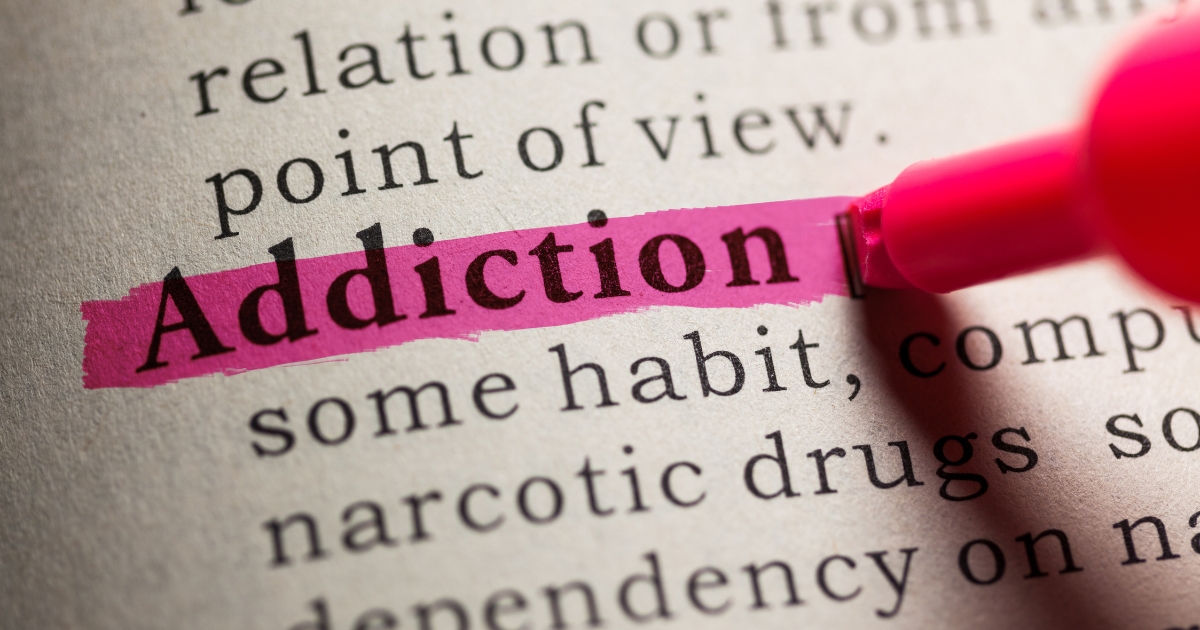
Medical professionals classify addiction as a chronic disease because it meets every clinical criterion used to define conditions like diabetes, hypertension, and asthma. The chronic disease model of addiction establishes that this is a condition with biological roots, not a character flaw. This framework shifts the conversation from blame to treatment.
Treating addiction like other medical conditions means applying the same standards of care: evidence-based treatment protocols, medication when appropriate, behavioral therapy, lifestyle modifications, and long-term monitoring. Insurance coverage expands when the condition is recognized as medical rather than moral, and families gain access to resources that support sustained recovery. The disease model doesn’t remove personal responsibility for seeking help; it clarifies that recovery requires professional intervention, just as managing heart disease or cancer does.
How Addiction Changes the Brain and Creates Compulsive Behavior
How does addiction change the brain? Substances hijack three critical brain systems: the reward circuit, the prefrontal cortex, and the stress-response network. When someone uses drugs or alcohol, dopamine floods the reward circuit at levels far exceeding natural pleasures like food or social connection. The brain interprets this surge as a signal of vital importance, creating powerful associations between the substance and survival-level need. This is why addiction is a disease of the brain’s reward circuitry, not simply a behavioral choice.
Over time, the brain adapts to these dopamine floods through a process called neuroplasticity. Receptor sites become less sensitive, and natural dopamine production decreases. The person now needs the substance just to feel normal, and activities that once brought joy lose their appeal. Meanwhile, the prefrontal cortex—responsible for judgment, impulse control, and planning—undergoes structural changes that impair the ability to weigh consequences and resist cravings.
- The reward circuit becomes hypersensitive to drug-related cues while losing responsiveness to natural rewards, creating intense cravings triggered by people, places, or emotions associated with past use.
- The prefrontal cortex experiences reduced gray matter volume and weakened connections to other brain regions, compromising executive functions like decision-making and self-regulation.
- The amygdala and stress systems become overactive, leading to heightened anxiety and emotional reactivity during withdrawal and early recovery, which drives continued use as a coping mechanism.
- Memory circuits encode substance-related experiences with unusual strength, making triggers difficult to ignore even years into recovery and explaining why environmental cues can provoke relapse.
Why Treating Addiction Like Other Medical Conditions Saves Lives
When healthcare systems apply the same standards to addiction that they use for other chronic illnesses, outcomes improve dramatically.
| Chronic Disease | Treatment Components | Relapse Rate |
|---|---|---|
| Diabetes (Type 1) | Insulin, diet modification, blood sugar monitoring, patient education | Comparable to other chronic diseases |
| Hypertension | Medication, sodium restriction, exercise, stress management | Comparable to other chronic diseases |
| Asthma | Inhalers, trigger avoidance, lung function tests, action plan | Comparable to other chronic diseases |
| Substance Use Disorder | Medication-assisted treatment, therapy, support groups, relapse prevention | Comparable to other chronic diseases |
In Tennessee, where opioid-related overdoses remain a significant public health concern, access to medication-assisted treatment combined with counseling reduces mortality risk. Insurance companies increasingly cover these interventions because the disease framework establishes medical necessity.
If you or someone you know is in crisis, call or text 988 to reach the Suicide & Crisis Lifeline, available 24/7.
Recognizing that addiction is a disease reduces stigma that prevents people from seeking help. This is especially important in regions where cultural attitudes historically emphasized personal responsibility over biological reality. Professional support becomes normalized, just as no one questions the need for a cardiologist when heart disease develops.
Is Alcoholism a Chronic Illness? Comparing Addiction to Other Conditions
Is alcoholism a chronic illness in the same way that arthritis or kidney disease qualifies as chronic? The answer is yes, based on how medical professionals define chronic conditions. The evidence that addiction is a disease comes from decades of neuroscience research showing measurable brain changes. A chronic illness persists over time, cannot be cured entirely, requires ongoing management, and involves biological processes that affect organ function. Alcohol use disorder meets every one of these criteria. The brain is the organ affected, neurotransmitter systems are the biological processes disrupted, and lifelong recovery strategies are the management plan.
| Chronic Illness Feature | Alcohol Use Disorder |
|---|---|
| Genetic Risk Factors | Family history significantly increases risk, similar to genetic predisposition in heart disease |
| Environmental Triggers | Stress, trauma, social environment influence onset and progression |
| Biological Dysfunction | Altered dopamine signaling, prefrontal cortex impairment, reward system dysregulation |
| Treatment Response | Responds to medication, therapy, and lifestyle changes; requires ongoing management |
Addiction as a Treatable Condition: What Professional Care Looks Like
Recognizing that addiction as a treatable condition transforms how individuals and families approach recovery. Evidence-based treatment programs address both the biological changes in the brain and the behavioral patterns that developed alongside substance use. Medical detoxification provides a safe environment for the body to clear substances while managing withdrawal symptoms that can range from uncomfortable to life-threatening. This is not optional—attempting to detox without medical supervision can be dangerous, particularly with alcohol or benzodiazepines.
After detox, comprehensive treatment includes individual therapy using approaches like cognitive-behavioral therapy, which helps identify triggers and develop healthier responses to stress. Group therapy creates peer support and reduces isolation.
Continuing care extends beyond initial treatment. Recovery is not a 30-day event but a long-term process that benefits from ongoing support groups, outpatient counseling, and regular check-ins with healthcare providers. This mirrors the management of any chronic condition—no one expects a single round of treatment to permanently resolve diabetes or hypertension. When symptoms resurface, it’s a signal to intensify support, not an indication that treatment failed.

From Understanding to Healing: Your Path Forward at Tennessee Behavioral Health
Grasping the science behind brain disease and substance abuse is the first step. The next is connecting that knowledge to action. Tennessee Behavioral Health provides comprehensive, medically grounded treatment that addresses substance use disorders as chronic conditions. From medically supervised detox through residential and outpatient programs, the care team applies evidence-based approaches tailored to each individual’s needs. Families across Tennessee have found hope and healing through treatment that respects the biological realities of this condition while supporting the whole person—mind, body, and spirit. If you or someone you love is struggling, reaching out for professional help is not a sign of weakness. It’s the medically appropriate response to a condition that requires clinical intervention, not moral judgment—because this is a brain disease, not a character flaw. Call today to learn how treatment can begin the journey toward sustained recovery.
FAQs
1. Is alcoholism really a chronic illness like diabetes or heart disease?
Yes, alcoholism meets all medical criteria for chronic disease: it involves biological dysfunction in brain chemistry, has genetic and environmental risk factors, follows a predictable progression, and requires ongoing management to prevent relapse. Like diabetes, it cannot be cured but can be effectively managed with proper treatment.
2. What causes addiction in the brain at a chemical level?
Substances flood the brain’s reward system with dopamine at levels far exceeding natural rewards. Over time, the brain adapts by reducing natural dopamine production and receptor sensitivity, requiring more of the substance to feel normal. This makes quitting extremely difficult without medical intervention that addresses these chemical imbalances.
3. If addiction is a disease, does that mean people aren’t responsible for recovery?
The disease model doesn’t remove personal responsibility—it reframes it. While individuals didn’t choose to develop the brain disease, they can choose to seek treatment and participate in recovery, just as someone with diabetes must manage their condition through medication, diet, and lifestyle changes. Responsibility lies in engaging with the treatment process.
4. Why is addiction not a moral failing or character weakness?
Brain imaging studies show measurable physical changes to brain structure and function, particularly in areas controlling judgment, decision-making, and impulse control. These are biological changes, not moral defects, which is why punishment and shame are ineffective while medical treatment produces positive outcomes. The condition affects the organ responsible for self-control.
5. Can addiction be treated successfully as a medical condition?
Yes, when treated as a chronic disease with evidence-based medical interventions, recovery rates are comparable to other chronic illnesses. Comprehensive treatment including medication-assisted treatment, behavioral therapy, and continuing care support leads to sustained recovery for many individuals. Success requires the same ongoing management approach used for conditions like hypertension or asthma.