Skip to content


Many adults spend years attributing forgetfulness, restlessness, or difficulty focusing to stress or personality quirks—until mounting challenges at work, in relationships, or managing daily responsibilities prompt a deeper question: could this be ADHD? Seeking an ADHD test for adults often feels daunting, especially if you’re unsure what the process involves or whether your concerns warrant professional evaluation. Understanding what testing entails, where to access it in Tennessee, and what happens after assessment can remove uncertainty and help you take the next step with confidence.
This guide walks you through recognizing signs of ADHD in adults, explains the adult ADHD evaluation process from screening to diagnosis, and clarifies how Tennessee residents can access comprehensive testing. Whether you’ve completed a ‘do I have ADHD’ quiz online or are just beginning to explore the possibility, you’ll find practical answers to help you move forward.
Recognizing Adult ADHD Symptoms: When Testing Makes Sense
ADHD in adults looks different than the hyperactive child stereotype many people picture. While children may exhibit obvious physical restlessness, adults more commonly struggle with executive dysfunction—difficulty organizing tasks, managing time, regulating emotions, or maintaining focus during conversations. An adult ADHD symptoms checklist typically includes these patterns alongside emotional dysregulation—quick frustration, impatience, or sensitivity to criticism—and time blindness (misjudging how long tasks take), which frequently go unrecognized as ADHD symptoms but create persistent scheduling conflicts and relationship strain.
Many adults develop sophisticated coping mechanisms that mask symptoms until life demands increase. If these patterns sound familiar and interfere with your daily functioning, professional evaluation makes sense. An ADHD test for adults provides the clarity needed to distinguish ADHD from other conditions with similar symptoms. Symptoms must have been present since childhood (even if undiagnosed) and currently cause significant impairment in multiple life areas to meet diagnostic criteria. A screening questionnaire can help determine whether pursuing formal assessment is appropriate.
Professional ADHD Testing in Tennessee: The Assessment Process
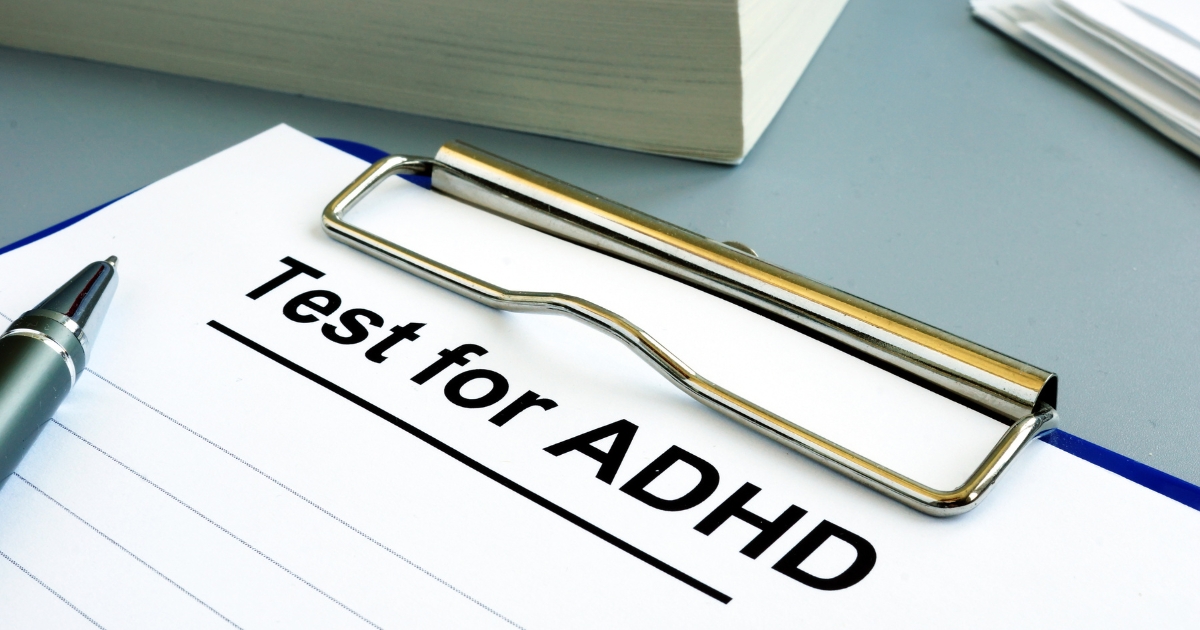
An ADHD test for adults follows a structured process designed to reduce anxiety and ensure accurate diagnosis. A comprehensive evaluation begins with an initial intake appointment where a licensed clinician gathers detailed information about your current symptoms, childhood history, family medical background, and how attention challenges affect your work, relationships, and daily life.
The assessment typically includes standardized screening tools—most commonly the Adult ADHD Self-Report Scale (ASRS) or Conners’ Adult ADHD Rating Scales (CAARS)—that quantify symptom severity across different domains. These ADHD screening questionnaire instruments ask about frequency of specific behaviors like difficulty sustaining attention, impulsive decision-making, or restlessness. Some evaluations incorporate continuous performance tests that measure attention span and impulse control through computer-based tasks, though these aren’t always necessary for diagnosis. Understanding what ADHD testing involves helps you prepare mentally and gather relevant records before your appointment.
Key components of professional ADHD assessment include:
- Structured clinical interview covering childhood behavior, academic history, and current functioning across work, home, and social settings
- Standardized rating scales completed by both the individual and, when possible, a family member or partner who can provide collateral perspective
- Medical screening to rule out thyroid disorders, sleep apnea, or other conditions that mimic ADHD symptoms
- Functional impairment evaluation documenting how symptoms specifically interfere with job performance, relationship stability, financial management, or self-care
Tennessee residents can access testing through TennCare or private insurance (coverage varies; prior authorization may be required). Telehealth options serve rural areas, with typical wait times of 1–6 weeks.
Online quizzes and self-assessment tools serve an important screening function—they can indicate whether professional evaluation is warranted—but cannot diagnose ADHD. Only a licensed clinician (psychiatrist, psychologist, or advanced practice nurse with mental health specialization) can make a formal diagnosis after conducting a comprehensive evaluation. This distinction matters because an ADHD diagnosis opens access to evidence-based treatments, workplace accommodations under the Americans with Disabilities Act, and educational supports that require official documentation.
| Assessment Type | What It Includes | Typical Duration |
|---|---|---|
| Screening Questionnaire | Self-report symptom checklist (ASRS or similar) | 5–10 minutes |
| Clinical Diagnostic Interview | Structured interview, history review, DSM-5 criteria assessment | 60–90 minutes |
| Comprehensive Neuropsychological Testing | Cognitive testing, attention measures, executive function assessment | 2–4 hours across multiple sessions |
The Path from Screening to Diagnosis: What Happens After Your Assessment
Once testing is complete, clinicians use DSM-5 diagnostic criteria to determine whether symptoms meet the threshold for ADHD and identify which presentation applies: predominantly inattentive, predominantly hyperactive-impulsive, or combined.
An ADHD test for adults is not the end of the process but the beginning of treatment planning. Your clinician will discuss medication options (stimulants or non-stimulants) and therapy approaches. Many adults benefit from combining medication with cognitive-behavioral therapy focused on organizational systems, time management, and emotional regulation—addressing both current symptoms and the secondary impacts of years living with undiagnosed ADHD.
Federal law requires employers to provide reasonable accommodations for employees with documented ADHD under the ADA. Common workplace accommodations include flexible scheduling, written instructions for complex tasks, noise-canceling headphones, or modified break schedules. Your clinician can provide documentation supporting accommodation requests without disclosing your specific diagnosis to your employer.
Starting treatment as an adult raises understandable concerns. Will medication change your personality? How long before you notice improvement? What if symptoms don’t fully resolve? Most adults experience noticeable benefit from medication within days to weeks, though finding the optimal dose and formulation may take several adjustments. Treatment manages symptoms—it doesn’t cure ADHD—so realistic expectations center on improved functioning rather than elimination of all challenges. Many adults describe feeling “like myself, but able to follow through” rather than fundamentally different.
| ADHD Presentation | Primary Symptoms in Adults |
|---|---|
| Predominantly Inattentive | Difficulty sustaining focus, frequent forgetfulness, losing items, avoiding tasks requiring sustained mental effort, easily distracted |
| Predominantly Hyperactive-Impulsive | Restlessness, difficulty relaxing, talking excessively, interrupting others, impulsive spending or decision-making |
| Combined Presentation | Significant symptoms from both inattentive and hyperactive-impulsive categories affecting multiple life domains |
How to Get Diagnosed with ADHD as an Adult
Knowing where to get tested for ADHD starts with identifying qualified providers in your area. Psychiatrists, licensed psychologists, and psychiatric nurse practitioners can all conduct ADHD evaluations and provide diagnoses. Your primary care physician can refer you to specialists, or you can contact your insurance company for a list of in-network mental health providers who perform adult ADHD assessments. Confirming that the provider offers a comprehensive evaluation—not just brief screening—ensures you receive a thorough assessment. Many community mental health centers in Tennessee offer sliding-scale fees for uninsured or underinsured individuals.
When scheduling, ask whether the provider has experience diagnosing ADHD in adults specifically—some clinicians primarily work with children and may lack familiarity with how symptoms present across the lifespan. Confirm whether the evaluation includes collateral information gathering (interviewing a family member or reviewing records) and what the total cost will be after insurance. Prepare by gathering previous psychological testing, school records, and notes about current symptoms.

Chart Your Course: Begin ADHD Testing with Tennessee Behavioral Health
If you’ve recognized yourself in these descriptions and are ready to pursue clarity through an ADHD test for adults, Tennessee Behavioral Health offers comprehensive evaluations, and our Tennessee-licensed clinicians conduct thorough assessments using evidence-based screening tools and clinical interviews. Beyond diagnosis, we provide integrated treatment planning—therapy and ongoing support—to help you build the skills and systems that work for your life. Contact us today to schedule your evaluation and take the first step toward understanding and managing your attention challenges.
FAQs
These frequently asked questions address common concerns about adult ADHD testing in Tennessee, from insurance coverage to what happens after diagnosis.
1. Can I get an accurate ADHD test online, or do I need to see someone in person?
While online screening questionnaires can indicate whether you should pursue professional evaluation, they cannot diagnose ADHD. A formal diagnosis requires assessment by a licensed clinician who can conduct clinical interviews, review your developmental history, and rule out conditions with similar symptoms. Telehealth appointments with licensed providers are valid for diagnosis, but self-administered online quizzes alone are not.
2. How long does the adult ADHD testing process take from start to finish?
The initial assessment appointment typically lasts 60–90 minutes, though comprehensive neuropsychological testing may require 2–4 hours across multiple sessions. Most adults receive diagnostic feedback within 1–2 weeks after completing all assessment components. Scheduling availability varies, with wait times ranging from 1–6 weeks depending on provider and insurance network.
3. Does TennCare or private insurance cover ADHD testing for adults in Tennessee?
Most insurance plans, including TennCare, cover ADHD assessments when deemed medically necessary. Coverage varies by plan, so verifying your benefits before scheduling clarifies any copays, deductibles, or out-of-pocket costs. Some plans require prior authorization, which your provider’s office can help obtain.
4. What’s the difference between an ADHD screening and a full diagnostic evaluation?
Screening questionnaires like the ASRS are brief self-report tools that identify potential ADHD symptoms, while diagnostic evaluations include clinical interviews, symptom rating scales, review of developmental history, and assessment of functional impairment. Only the full evaluation, conducted by a licensed clinician, can result in an official diagnosis that opens access to treatment and accommodations.
5. Can I be diagnosed with ADHD as an adult if I wasn’t tested as a child?
Absolutely—many adults receive their first ADHD diagnosis in their 30s, 40s, or later. Clinicians assess whether symptoms were present in childhood, even if unrecognized at the time, and how they currently impact your functioning. Late diagnosis is both valid and common, particularly for adults who developed strong coping strategies that masked symptoms until life demands increased.