Skip to content


Heroin Scars: Recovery, Prevention, and Long-Term Skin Healing Solutions
A lot of people get clean and then spend months hiding their arms. They wear long sleeves in summer, avoid the pool, and turn down the lights. Heroin scars do not just sit on skin – they sit in your head too.
But here is something worth knowing: skin actually wants to heal. Give it the right conditions, and it starts doing its job again. This post breaks down where these marks come from, what makes them worse, and what genuinely helps.
What Are Heroin Scars and Why They Form on the Skin
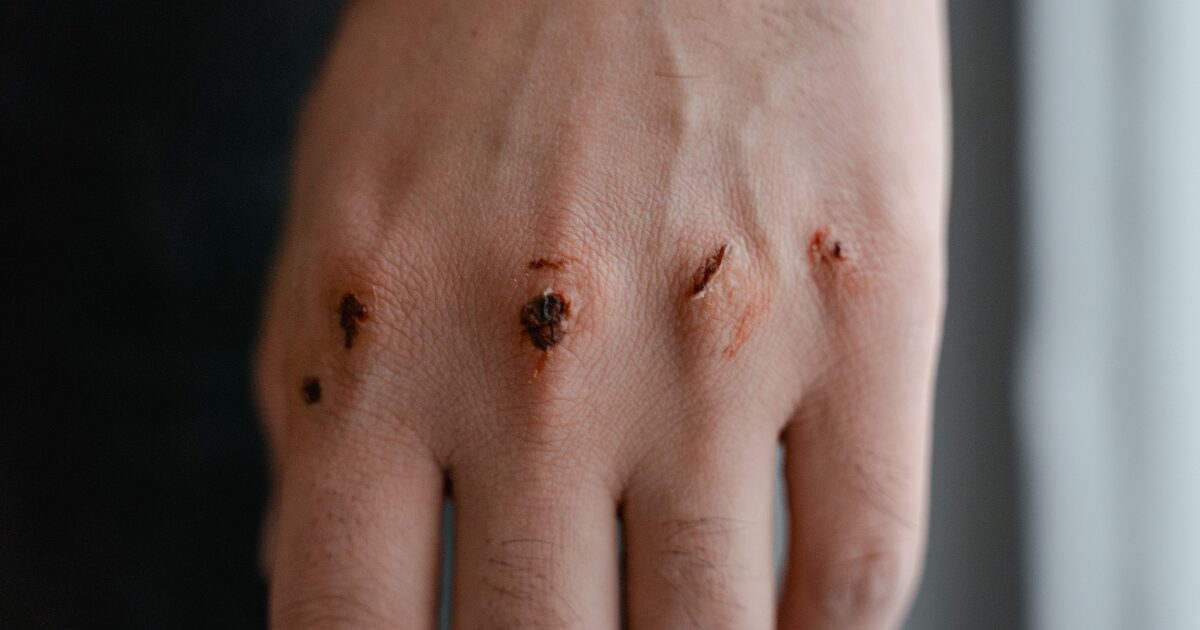
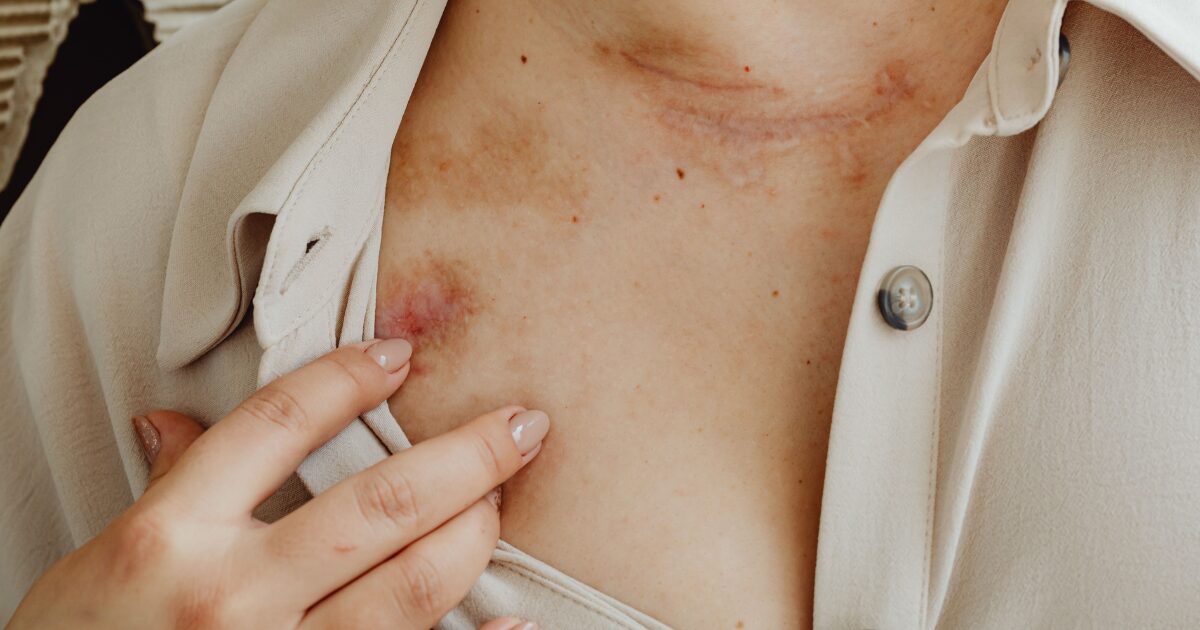
Skin is not meant to be punctured in the same spot hundreds of times. When it is, the body patches each wound with something tougher than regular skin – scar tissue. That tissue does not look the same.
It sits differently, holds pigment differently, and takes a long time to soften. Dirty equipment makes everything worse because bacteria slow the whole healing process down. Heroin scars are basically the body’s best attempt at fixing damage that kept coming before the last repair was even finished.
How Repeated Injection Damages Veins and Tissue
Veins are fragile. One bad injection can bruise the wall from the inside. Do it over and over and that wall thickens, stiffens, and eventually just stops working. Tissue around needle marks loses blood flow, which means it cannot get the oxygen it needs to repair itself. That is why old injection sites sometimes look sunken or discolored even years after someone stops using them – the damage underneath never fully got addressed.
The Physical Impact of Track Marks and Needle Marks on Your Body
What shows up on the surface is connected to a lot more going on underneath. Heroin track marks are not just cosmetic – they point to real structural damage in veins and surrounding tissue that built up over months or years of use.
Vein Damage From Chronic Drug Use
Collapsed veins are not rare among long-term heroin users – they are pretty much expected. Vein damage builds gradually. First, there’s bruising and tenderness – then the vein hardens, and eventually it shuts down completely.
People move to new spots – the back of the hand, the foot, sometimes the neck – and those areas end up just as damaged. Finding a working vein becomes its own problem, and missed injections under the skin cause painful swelling and deeper scarring.
Infection Risks Associated With Injection Sites
Broken skin is an open door for bacteria. Drug abuse marks that never fully close keep letting things in – staph, strep, whatever is on the needle or the skin around it. Abscesses form fast and they hurt badly. Some infections move into the bloodstream, which is life-threatening. The Centers for Disease Control and Prevention has resources on injection-related infection risks worth reading.
Prevention Strategies to Minimize Scarring During Active Use
For anyone still in active use, the following harm reduction steps make a real difference in how much damage accumulates:
- Use a fresh needle every time – a dull tip does far more damage than a sharp one, and it leaves worse scars
- Rotate sites constantly so no single vein takes the full beating day after day
- Swab with alcohol before and after – takes five seconds and cuts infection risk significantly
- Apply antibiotic ointment to help the wound close more cleanly
- Visit needle exchanges for free sterile supplies and basic wound care with zero judgment
Scar Removal Treatment Options for Former Users
Once someone is out of active use, there are real options for reducing how visible injection scars are. Nothing works instantly, but with the right treatment, most people see meaningful improvement.
Medical Procedures That Reduce the Appearance of Injection Scars
| Treatment | What It Does | Works Best On |
| Laser Therapy | Light breaks down hardened scar tissue layer by layer | Raised or deep scars |
| Microneedling | Fine needles wake up collagen production in damaged skin | Flat discolored patches |
| Chemical Peels | Top damaged layer peels off, fresher skin takes over | Shallow surface marks |
| Steroid Injections | Shrinks and flattens thick, bumpy scar tissue | Keloid or raised scars |
Natural Skin Healing Methods After Addiction Recovery
Professional treatment is not always the first realistic option, and that is not a reason to do nothing. The foundation of skin healing is not expensive – in most cases, it costs very little or nothing at all, and it works.
Nutrition and Hydration’s Role in Tissue Repair
Years of heavy use strip the body of what it needs to fix itself. Vitamin C builds collagen – the protein that holds skin structure together. Zinc helps wounds close faster. Water keeps everything moving. Eggs, chicken, lentils, and beans give the body protein for new tissue.
Citrus, bell peppers, and strawberries deliver vitamin C for collagen. Pumpkin seeds and chickpeas are cheap sources of zinc. Adding two or three of these consistently is enough to see a difference within weeks. The National Library of Medicine has published research on how specific nutrients tie directly to skin recovery.
Topical Solutions and Professional Skincare Regimens
Silicone gel sheets do not get nearly enough credit – they are inexpensive, require almost no effort to use, and produce real results when someone sticks with them. Aloe vera and vitamin E oil are worth adding for surface-level discoloration.
A dermatologist visit opens up access to prescription-strength retinoids and topical creams that speed up the process considerably. That said, consistency matters more than which product you choose. Skipping applications regularly is the fastest way to stall progress, regardless of what you are using.
Long-Term Skin Health and Aesthetic Restoration
Skin does not flip overnight. Three to six months is usually when the difference becomes obvious – lighter marks, softer texture, less visible damage. Scar removal treatment gets better results when combined with real lifestyle habits: daily sunscreen, consistent moisturizing, and avoiding smoking.
Some heroin scars will always be faintly there. But faint is a long way from where things started. A lot of people in recovery find that watching their skin slowly improve becomes part of feeling like themselves again.
Starting Your Recovery Journey With Tennessee Behavioral Health
Tennessee Behavioral Health works with people who are ready to stop and do not know where to start. Our team has seen it all – there is nothing you can say that will shock or concern us. We build treatment plans around real people, not a checklist. Detox, counseling, long-term support – whatever your next step looks like, we help you figure out the right path and stay with you as you move through it. You have already survived the hard part. Let us help with what comes next. Reach out to us today – your recovery starts with one conversation.
FAQs
-
Can heroin injection scars fade completely without professional scar removal treatment?
Most heroin scars will not disappear completely, even with professional treatment. While lighter scars can fade on their own with consistent daily skincare, deeper injection scars typically require professional treatment for significant reduction. Starting topical care early gives the skin its best chance at recovery.
-
How long does skin healing take after stopping injection drug use?
Skin shows visible improvement within just a few weeks after stopping use. Complete tissue repair generally takes six months up to two full years. Better nutrition and hydration speed up the natural skin recovery process.
-
What’s the fastest way to reduce visible track marks on arms and legs?
Laser therapy remains the fastest clinical treatment option for track marks. Microneedling combined with serums also delivers quick and visible improvement. Consistent silicone gel use at home reduces marks faster than doing nothing.
-
Do collapsed veins from chronic heroin use ever fully recover?
Mild vein damage can partially recover after stopping heroin use completely. Severely collapsed veins may never return to their original working condition. A vascular specialist can evaluate your situation – and even if the damaged vein itself doesn’t fully recover, surrounding circulation often improves, which helps with discoloration and sunken texture above it.
-
Which topical treatments work best for minimizing needle marks and drug abuse scars?
Silicone gel sheets are the top recommended over-the-counter treatment for scars. Vitamin C serums and retinoids fade dark spots left by injection marks. Niacinamide evens out skin tone and steadily reduces visible dark patches.