Skip to content

Gambling addiction is often called the “hidden illness” – not because it’s rare, but because it’s easy to conceal. Unlike substance abuse, there are no physical signs. But behind the surface, the emotional, financial, and psychological damage can be just as devastating. Thankfully, gambling addiction treatment options have evolved dramatically in recent years, offering real paths to recovery for those ready to reclaim their lives.
Whether it’s through therapy for gambling addiction, group support, or structured rehab programs, the key to lasting recovery lies in finding the right approach. This blog explores what works, who it works for, and why seeking help is a sign of strength, not weakness.
Understanding Gambling Addiction
Gambling addiction – also known as gambling disorder – is recognized by the American Psychiatric Association as a behavioral addiction. It’s characterized by compulsive gambling behaviors despite negative consequences.
The Psychological and Emotional Impact
Gambling affects the brain’s reward system similarly to drugs and alcohol. The rush of winning creates a dopamine surge, and over time, people chase that high at the expense of their finances, relationships, and mental health. The National Council on Problem Gambling estimates that 2 million U.S. adults meet the criteria for severe gambling addiction, while an additional 4–6 million show signs of mild to moderate gambling problems.
Some common emotional symptoms include:
- Guilt or shame after gambling
- Anxiety or depression is linked to losses
- Obsessive thinking about gambling
- Difficulty sleeping or concentrating
Gambling Addiction Treatment Options: What Works?
No single solution works for everyone, but evidence-based treatments are making recovery more accessible, flexible, and effective than ever before. What used to be considered a difficult and isolating journey is now supported by a growing ecosystem of proven therapies, personalized programs, and holistic care options.
Gambling addiction affects people from all walks of life, and the reasons behind it vary – stress, trauma, co-occurring mental health disorders, or even the thrill of the game itself. That’s why the most successful treatment strategies are tailored to the individual, combining clinical tools with emotional support and lifestyle changes.
Treatment plans often include a mix of professional counseling, behavioral therapy, peer support, and, in some cases, structured rehab programs. Increasingly, programs also address underlying mental health challenges like depression, anxiety, or trauma, common factors that fuel compulsive gambling behavior.
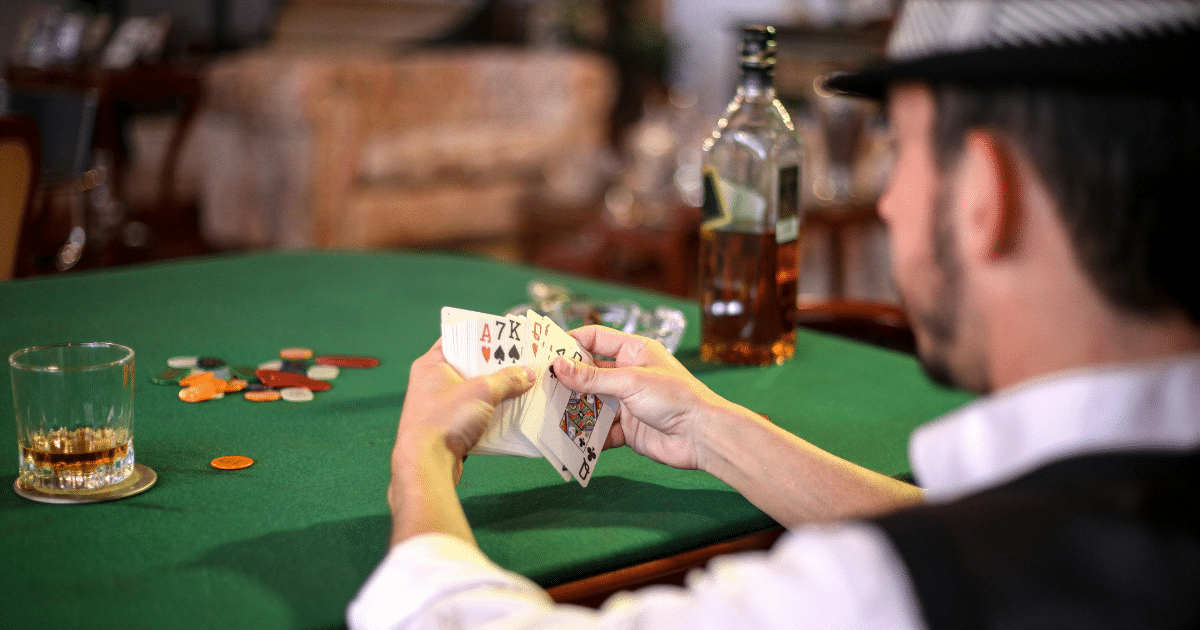
As digital gambling grows, so do online therapy platforms and virtual support options, making it easier for people to access help, even from home. At the core of all these programs is the understanding that recovery isn’t just about stopping the behavior – it’s about rebuilding self-worth, stability, and healthy coping mechanisms for the long haul.
Counseling for Gamblers: A Path to Healing
Counseling is often the first step for people seeking to break free from gambling. It helps uncover the emotional triggers behind the behavior and offers coping strategies to avoid relapse.
Benefits of counseling include:
- Identifying underlying mental health conditions
- Addressing trauma or stress contributing to gambling
- Developing practical tools to manage urges
- Building accountability with a trusted professional
Therapy for Gambling Addiction: Methods and Benefits
Therapy – especially Cognitive Behavioral Therapy (CBT) – is one of the most effective gambling addiction treatment options available today.
CBT helps individuals:
- Identify and challenge distorted beliefs around gambling
- Replace harmful behaviors with healthier ones
- Build resilience to high-risk situations
- Reframe thoughts like “I can win it back” or “Just one more time”
Rehab for Gambling Problems: Choosing the Right Setting
Sometimes, outpatient therapy isn’t enough. For individuals with severe or long-term gambling addiction, rehab for gambling problems offers a more immersive recovery experience.
Inpatient vs. Outpatient Treatment Explained
Here’s a breakdown of how inpatient and outpatient settings compare:
| Treatment Setting | Features | Best For |
| Inpatient Rehab | 24/7 care, residential stay, therapy, group sessions, no access to gambling | Those with severe addiction or co-occurring disorders |
| Outpatient Rehab | Scheduled sessions, continued daily life, weekly therapy | Those with mild-to-moderate addiction, good support system |
Building Support Systems for Long-Term Recovery
Sustainable recovery requires more than just willpower – it requires connection. While isolation often fuels gambling addiction, meaningful relationships and community involvement are key to long-term healing. Studies consistently show that individuals with strong support systems are far more likely to remain in recovery, avoid relapse, and rebuild a healthier lifestyle.
Recovery can be an emotional rollercoaster. That’s why having people who understand what you’re going through makes all the difference. Whether it’s friends, family, mentors, or fellow peers in recovery, these relationships offer accountability, motivation, and empathy at every journey stage.
Many gambling addiction recovery programs now actively incorporate support-building strategies. These include family therapy, peer mentorship programs, and regular group sessions to repair trust, enhance communication skills, and reduce social isolation. The goal isn’t just to stop the behavior – it’s to rebuild a life where gambling no longer feels necessary or appealing.
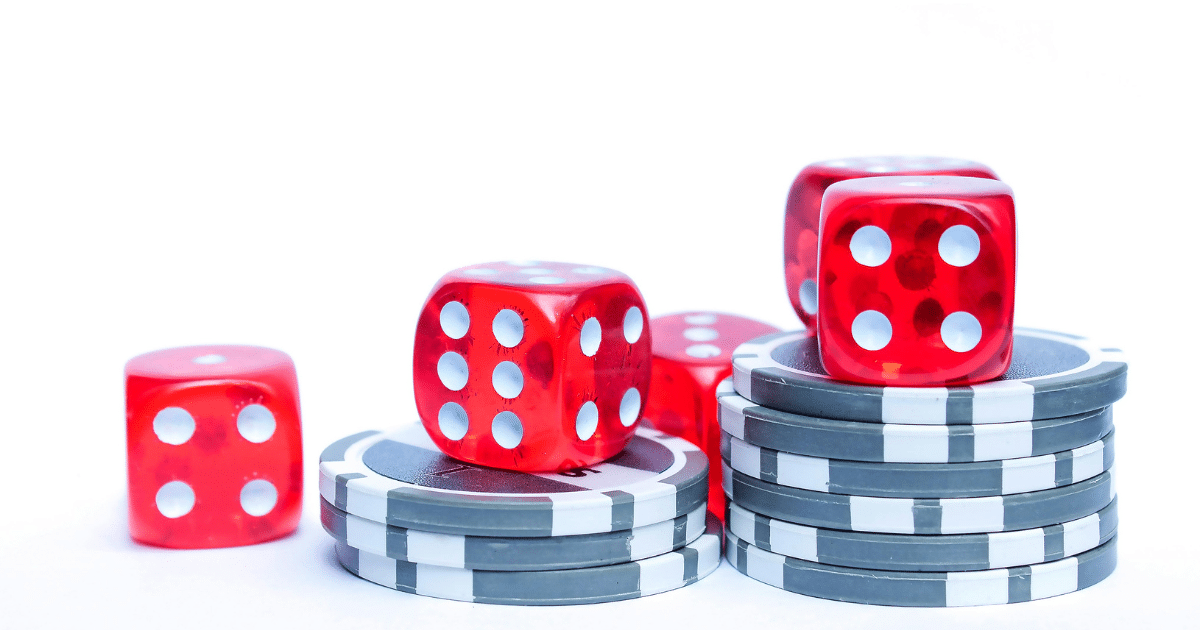
Support Groups for Gambling Addicts: Community and Connection
Joining a support group introduces a sense of belonging. Programs like Gamblers Anonymous follow a 12-step model similar to AA, offering peer-based support.
Why support groups matter:
- Safe space to share stories without judgment
- Encouragement from others who understand
- Accountability through regular check-ins
- Emotional relief through shared experience
Residential Gambling Treatment: A Comprehensive Approach
Residential programs offer long-term, structured care in a live-in setting. These are ideal for people who’ve relapsed multiple times or who face other addictions and mental health challenges.
What to expect:
- Full-day therapeutic schedules
- Access to psychiatrists and addiction specialists
- Recreational therapy, mindfulness, and stress management
- Ongoing aftercare planning
Digital Solutions in Gambling Addiction Care at Tennessee Behavioral Health
Modern recovery means meeting people where they are – sometimes, online. Online gambling therapy has become a lifeline for people unable to access in-person treatment. Digital Solutions in Gambling Addiction Care at Tennessee Behavioral Health
If you or someone you love is struggling with gambling, know this: you’re not alone, and help is available. At Tennessee Behavioral Health, we offer personalized, evidence-based treatment for gambling addiction – both in-person and online.
Contact Tennessee Behavioral Health today to take the first step toward lasting recovery.
FAQs
- What are the benefits of counseling for gamblers seeking a path to healing from gambling addiction?
Counseling provides a safe space to explore the emotional triggers behind gambling, develop coping strategies, and build a healthier mindset with the support of a trained professional.
- How does therapy for gambling addiction work, and what methods are most beneficial in recovery?
Therapy, especially CBT, focuses on identifying harmful thoughts and replacing them with healthier behaviors. It’s effective in reducing relapse and improving emotional control.
- What are the differences between inpatient and outpatient rehab options for gambling problems?
Inpatient rehab involves full-time residential care, ideal for severe cases. Outpatient rehab allows patients to live at home while attending therapy sessions, which is better suited for milder addictions.
- How can support groups for gambling addicts create a community of understanding and aid in recovery?
Support groups offer connection, shared experiences, and accountability, helping individuals feel understood and supported throughout their recovery journey.
- What are the techniques used in cognitive behavioral therapy for gambling, and how successful are they in treating addiction?
CBT uses tools like thought reframing and behavior tracking to reduce the urge to gamble. Studies show it has over a 60% success rate in helping individuals manage their addiction long-term.