Skip to content


Families researching mental health conditions often encounter confusing terminology, and one of the most common questions is whether schizophrenia falls under the category of personality disorders. The short answer is no — schizophrenia is not a personality disorder. These are two distinct categories of mental health conditions with different symptoms, causes, and treatment approaches. Understanding this distinction matters because accurate diagnosis directly affects treatment planning, prognosis, and the kind of support a loved one receives.
Confusion between these conditions arises partly because both can affect behavior, relationships, and how someone experiences the world. However, the underlying mechanisms and clinical presentations differ significantly. Recognizing these differences helps families advocate for proper assessment and connect their loved ones with appropriate care.
What Type of Disorder Is Schizophrenia and How Does It Differ From Personality Disorders?
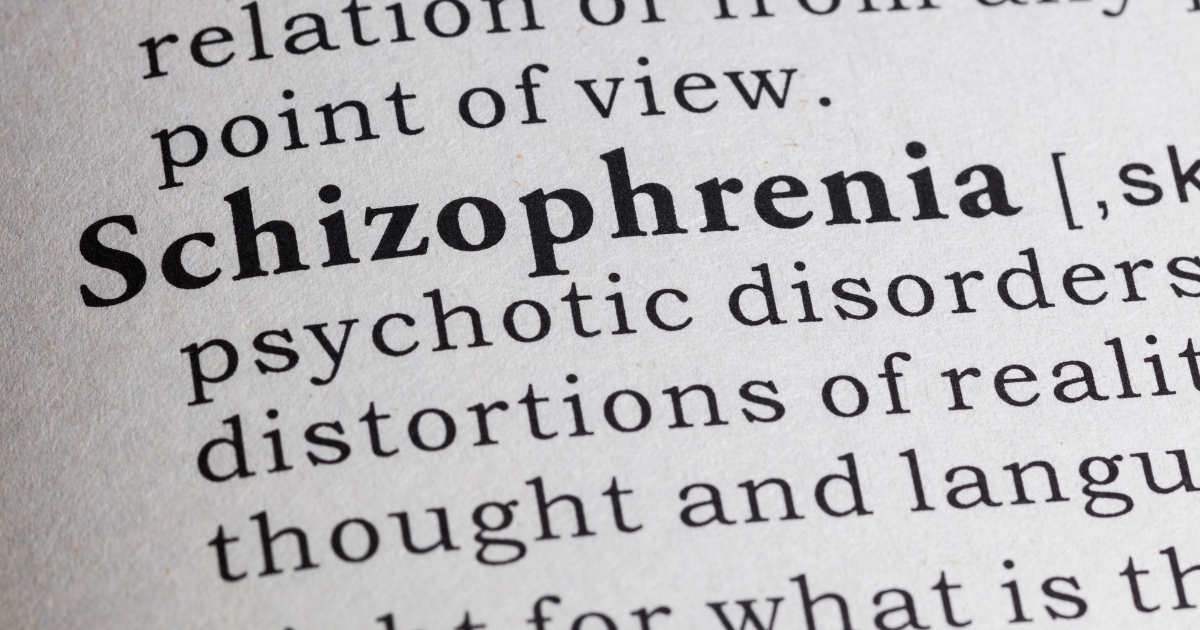
Schizophrenia is classified as a psychotic disorder, meaning it primarily affects how someone perceives reality. The schizophrenia vs personality disorder distinction begins with understanding that these represent fundamentally different diagnostic categories in psychiatry. So when families ask, “Is schizophrenia a personality disorder?”, the answer starts with understanding these fundamental diagnostic categories. People with this condition may experience hallucinations (seeing or hearing things that aren’t present), delusions (fixed false beliefs), and disorganized thinking that makes it difficult to communicate clearly or follow logical thought patterns. These symptoms reflect disruptions in brain chemistry and neural pathways, particularly involving dopamine and glutamate systems.
Psychotic disorders involve breaks from reality, while personality disorders involve maladaptive but reality-based patterns of relating to oneself and others. Antipsychotic medications are a cornerstone of schizophrenia treatment, targeting the neurochemical imbalances that drive psychotic symptoms. Personality disorders respond primarily to psychotherapy modalities like dialectical behavior therapy or mentalization-based treatment, with medication playing a secondary role for co-occurring symptoms like depression or anxiety.
| Feature | Schizophrenia (Psychotic Disorder) | Personality Disorders |
|---|---|---|
| Core Issue | Disrupted reality testing, hallucinations, delusions | Maladaptive patterns of behavior and inner experience |
| Onset Pattern | Often emerges in late teens to early 20s with acute episodes | Develops gradually through adolescence, stable by early adulthood |
| Primary Treatment | Antipsychotic medication plus therapy | Psychotherapy (DBT, schema therapy) as first-line |
| Reality Testing | Impaired during active symptoms | Generally intact |
Schizophrenia Symptoms vs Personality Disorder Symptoms: What Families Actually Notice
When families wonder if schizophrenia is a personality disorder, the symptoms they observe often differ markedly depending on whether a loved one has schizophrenia or a personality disorder. In schizophrenia, changes tend to be more dramatic and represent a departure from the person’s baseline functioning.
The difference between schizophrenia and borderline personality disorder illustrates this contrast clearly. Borderline personality disorder, one of the most commonly diagnosed personality disorders, centers on intense fear of abandonment, unstable relationships that swing between idealization and devaluation, chronic feelings of emptiness, and impulsive behaviors.
Key observable differences families notice include:
- Hallucinations in schizophrenia (hearing voices, seeing things others don’t) versus emotional intensity without perceptual changes in personality disorders
- Delusional beliefs in schizophrenia (being monitored by government agencies, having special powers) versus distorted but reality-based thinking in personality disorders (everyone will abandon me, I’m fundamentally flawed)
- Disorganized speech and behavior in schizophrenia versus chaotic but purposeful actions driven by emotional dysregulation in personality disorders
- Social withdrawal and flat affect in schizophrenia versus tumultuous relationships in personality disorders — a core psychotic disorder vs personality disorder distinction
When Symptoms Overlap During Crisis
During crisis periods, families often ask: Is schizophrenia a personality disorder? Understanding the distinction becomes especially important in these moments. Both conditions can lead to emergencies, but the nature of the crisis differs. A psychotic episode may involve complete disconnection from reality, requiring immediate psychiatric intervention. A personality disorder crisis typically involves relationship rupture, self-harm, or suicidal ideation stemming from emotional overwhelm rather than psychosis.
If you or someone you know is experiencing suicidal thoughts or self-harm urges, call or text 988 to reach the Suicide & Crisis Lifeline, available 24/7.
Can Schizophrenia Be Misdiagnosed as a Personality Disorder and Why Accurate Assessment Matters?
The question “Is schizophrenia a personality disorder?” reflects real diagnostic confusion — can schizophrenia be misdiagnosed as personality disorder? Yes, and the consequences of misdiagnosis can be significant. The age of onset overlaps — both conditions emerge in late adolescence or early adulthood. Substance use can muddy the clinical picture, producing psychotic symptoms that resolve when substances clear the system or masking underlying personality patterns. The question of whether schizophrenia can be misdiagnosed as a personality disorder is particularly relevant in young adults, where both conditions may be emerging simultaneously, and symptom overlap is greatest.
It’s also important to recognize that schizophrenia and personality disorder together can co-occur in the same individual. Research indicates that a substantial portion of people with schizophrenia also meet criteria for a personality disorder, most commonly schizotypal, paranoid, or avoidant types. When both conditions co-occur, treatment becomes more complex because each requires specific attention. The psychotic symptoms need medication management, while the personality patterns benefit from targeted psychotherapy.
When families ask if schizophrenia is a personality disorder, a comprehensive psychiatric evaluation provides the answer through detailed history-taking, mental status examination, collateral information from family members, and sometimes neuropsychological testing. Clinicians look for the presence or absence of hallucinations and delusions, assess the quality of reality testing, examine the timeline of symptom development, and evaluate whether patterns are episodic (suggesting psychotic disorder) or chronic and pervasive (suggesting personality disorder).
| Diagnostic Challenge | Why Confusion Occurs | How Clinicians Distinguish |
|---|---|---|
| Paranoid symptoms | Both conditions can involve suspiciousness and mistrust | Assess whether beliefs are delusional (fixed, bizarre, unshakeable) or exaggerated but reality-based |
| Social withdrawal | Isolation occurs in schizoid personality disorder and negative symptoms of schizophrenia | Evaluate the presence of psychotic symptoms, cognitive decline, and whether isolation is a lifelong pattern or a recent change |
| Odd behavior and beliefs | Schizotypal personality disorder shares some features with schizophrenia | Determine if odd beliefs are true delusions or magical thinking, and whether perceptual disturbances are hallucinations or illusions |
| Emotional instability | Mood swings can occur in both borderline personality disorder and schizoaffective disorder | Assess whether mood episodes include psychotic features and whether psychosis occurs only during mood episodes or independently |
Treatment Implications of Accurate Diagnosis
Families asking “Is schizophrenia a personality disorder?” need to understand that the answer determines the entire treatment approach. Knowing whether schizophrenia is a personality disorder matters because treatment pathways diverge significantly. Someone misdiagnosed with a personality disorder when they actually have schizophrenia may not receive antipsychotic medication, leaving psychotic symptoms untreated. Conversely, someone with a personality disorder incorrectly diagnosed with schizophrenia may be prescribed unnecessary antipsychotic medication with significant side effects while missing out on the psychotherapy that would actually help them develop healthier coping strategies and relationship patterns.
Long-term prognosis also differs. With appropriate treatment, many people with schizophrenia achieve symptom stability and meaningful recovery, though the condition typically requires ongoing medication management. Personality disorders, while chronic, often show improvement over time with consistent therapy, and symptoms may naturally diminish in middle age.

Clarity Brings Hope: Getting the Right Assessment at Tennessee Behavioral Health
When families ask, “Is schizophrenia a personality disorder?” or face uncertainty about a loved one’s diagnosis, a comprehensive psychiatric evaluation provides the clarity needed to move forward. Tennessee Behavioral Health offers a thorough diagnostic assessment by experienced clinicians who understand the nuances of differentiating between psychotic disorders and personality disorders.
Accurate diagnosis opens the door to effective treatment tailored to the specific condition. Whether your loved one needs medication management for psychotic symptoms, specialized therapy for personality patterns, or integrated treatment for co-occurring conditions, Tennessee Behavioral Health provides evidence-based care in a supportive environment. If you’re concerned about a family member’s mental health and unsure what they’re experiencing, reaching out for a professional assessment is the most important step you can take. Contact Tennessee Behavioral Health today to learn more about diagnostic services and treatment options.
FAQs
These are the most common questions families ask when trying to understand the relationship between schizophrenia and personality disorders.
1. Is schizophrenia a personality disorder or a mental illness?
Schizophrenia is a mental illness classified as a psychotic disorder, not a personality disorder. It affects how someone perceives reality and involves symptoms like hallucinations, delusions, and disorganized thinking. Personality disorders are a separate category involving enduring patterns of behavior and inner experience that affect relationships and self-perception but do not involve breaks from reality.
2. How to tell if someone has schizophrenia or personality disorder?
A professional psychiatric assessment is necessary to distinguish between these conditions. Key differences include the presence of hallucinations and delusions in schizophrenia versus their absence in personality disorders, the pattern of symptom onset (acute episodes in schizophrenia versus chronic patterns in personality disorders), and whether reality testing remains intact.
3. What is the main difference between schizophrenia and borderline personality disorder?
The main difference lies in reality testing and core symptoms. Schizophrenia involves hallucinations, delusions, and impaired ability to distinguish what is real, while borderline personality disorder centers on intense fear of abandonment, unstable relationships, emotional dysregulation, and identity disturbance — all occurring within a reality-based framework. Treatment approaches also differ, with antipsychotic medication being essential for schizophrenia and psychotherapy being the primary treatment for borderline personality disorder.
4. Can someone have both schizophrenia and a personality disorder at the same time?
Yes, comorbidity between schizophrenia and personality disorders does occur. Research shows that a meaningful portion of individuals with schizophrenia also meet criteria for a personality disorder, most commonly schizotypal, paranoid, or avoidant types. When both conditions are present, treatment must address both the psychotic symptoms through medication and the personality patterns through psychotherapy for optimal outcomes.
5. Why does it matter if schizophrenia is misdiagnosed as a personality disorder?
Misdiagnosis has serious treatment implications. Someone with schizophrenia who is misdiagnosed may not receive necessary antipsychotic medication, leaving psychotic symptoms untreated and increasing the risk of functional decline. Conversely, someone with a personality disorder incorrectly diagnosed with schizophrenia may receive unnecessary medication with significant side effects while missing the psychotherapy that would actually help. Accurate diagnosis ensures appropriate treatment and a realistic prognosis discussion.