 Skip to content


Meth Sores: Causes, Prevention, and Effective Treatment Strategies
Key Takeaways
- Meth sores are open wounds on the skin and in the mouth caused by methamphetamine use, picking, dry skin, and poor hygiene.
- Meth mouth refers to the severe tooth decay, gum disease, and oral infections that develop with ongoing use.
- Untreated sores become infected wounds that can lead to cellulitis, abscesses, and bloodstream infections.
- Medical treatment heals the sores, but addiction treatment is what stops them from returning.
- Most skin lesions heal well once methamphetamine use stops and basic care is restored.
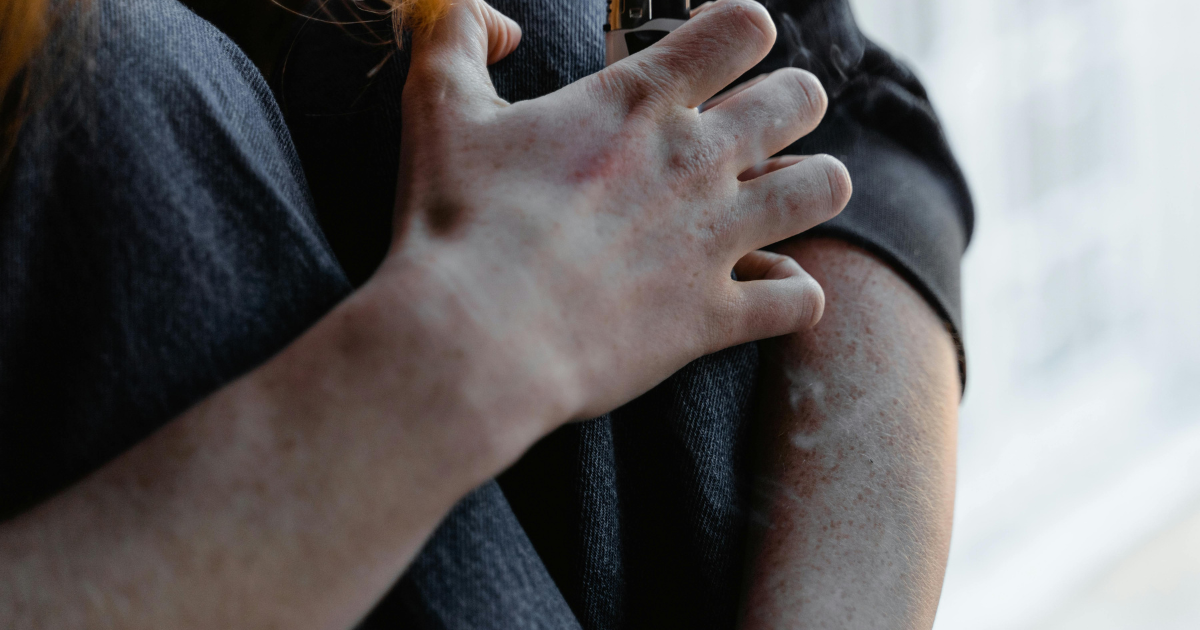
Among the most visible meth use effects are the sores that appear on the face, arms, and inside the mouth. Meth sores are not just a cosmetic problem. They are open doors for infection in a body already under strain. This article explains why methamphetamine sores form, how they connect to meth mouth and wider health problems, how to recognize dangerous infections, and what treatment looks like.
What Are Meth Sores and Why Do They Occur?
The Drug Enforcement Administration describes methamphetamine as a highly addictive stimulant that speeds up the body’s systems, with effects that include skin problems and severe dental damage with chronic use. Meth sores develop through several overlapping processes. The drug constricts blood vessels, which starves the skin of oxygen and slows healing. It causes intense itching and a crawling sensation, sometimes called formication, that leads people to pick and scratch until the skin breaks.
How Methamphetamine Use Damages Skin and Oral Tissues
Methamphetamine affects skin and oral tissues in distinct ways:
- Reduced blood flow to the skin, which delays wound healing
- Severe dry mouth that removes saliva’s protective effect on teeth and gums
- Acidic smoke and vapor that irritate the lips, gums, and inner cheeks
- Burns on the lips and fingers from hot pipes
- Sweating and oil changes that clog pores and cause acne-like eruptions
- Teeth grinding and jaw clenching that crack teeth and injure the mouth
The Role of Poor Hygiene and Neglect in Sore Development
Methamphetamine binges can last days, during which eating, sleeping, bathing, and brushing teeth are often abandoned. Sores that would heal in a healthy person stay open, get re-injured, and collect bacteria. The combination of a weakened body and neglected care is what turns minor skin damage into chronic, infected wounds.
The Connection Between Meth Mouth and Systemic Health Problems
According to the American Dental Association, an examination of 571 methamphetamine users found that 96 percent had cavities, and the drug’s acidity, combined with dry mouth and poor oral hygiene, drives rapid decay. Meth mouth is more than a dental problem. Oral infections release bacteria into the bloodstream, where they can reach the heart valves, lungs, and joints.
Dental Decay and Oral Infections From Drug Use
Meth mouth tends to progress quickly. Teeth become stained and brittle, then decay along the gum line and between teeth until they crumble. Gums recede and bleed. Abscesses form at the roots, causing severe pain and swelling. Oral infections spread fast in a dry mouth, and tooth loss is common within a few years of regular use.
Recognizing Infected Wounds and Skin Lesions
Not every sore is infected, but infected wounds need prompt care. The table below helps distinguish a healing sore from one that needs medical attention.
| Sign | What it suggests |
| Pink edges, scab forming, shrinking size | Normal healing |
| Spreading redness or warmth around the sore | Developing infection, such as cellulitis |
| Yellow or green discharge and foul odor | Established bacterial infection |
| Swelling, firm lump, or severe pain | Possible abscess that may need draining |
| Fever, chills, or red streaks moving from the wound | Infection spreading; seek emergency care |

Identifying Early Warning Signs of Serious Complications
Skin lesions that spread, deepen, or refuse to heal over two weeks should be evaluated by a clinician. Fever alongside a wound, confusion, rapid heartbeat, or red streaks tracking up a limb are signs of a spreading infection that can become sepsis. Any of these warning signs justifies an emergency visit.
Prevention Strategies for Those Struggling With Substance Use
The only complete prevention for meth sores is stopping methamphetamine use. For people who are not yet ready or able to stop, harm reduction still matters. Basic care reduces the severity of drug-related sores and lowers the chance of serious infection.
Practical Steps to Reduce Harm and Protect Your Health
These steps reduce damage even during active use:
- Wash hands and face daily, and clean any broken skin with soap and water
- Keep nails short to limit damage from scratching and picking
- Drink water throughout the day and eat whenever possible
- Brush teeth and rinse with water after using, and use sugar-free gum to stimulate saliva
- Avoid sharing pipes, straws, or needles
- Cover open sores with clean bandages and change them daily
Creating Barriers Against Infection and Further Damage
A clean bandage keeps bacteria out of an open sore, lip balm reduces cracking, and moisturizer helps fragile skin resist tearing. Regular dental visits, even during active use, catch decay before it becomes an abscess. None of these replace treatment, but they protect the body while the person works toward it.
Medical Treatment Options for Drug-Related Sores
Medical treatment for methamphetamine sores depends on severity. Minor skin lesions respond to cleaning, topical antibiotic ointment, and dressings. Infected wounds often require oral antibiotics, and abscesses may need to be drained by a clinician. Dental treatment for meth mouth ranges from fillings and deep cleanings to extractions and dentures in advanced cases.
How Addiction Treatment Addresses the Root Cause of Meth Sores
Treating the sores without treating the addiction leads to the same wounds reappearing within weeks. Addiction treatment removes the cause. Once methamphetamine use stops, blood flow to the skin improves, the picking urge fades, sleep and nutrition return, and the immune system recovers.
Breaking the Cycle of Use and Physical Deterioration
Methamphetamine addiction and physical decline feed each other. Sores and dental pain cause shame and discomfort, which drive more use, which causes more damage. Addiction treatment breaks this loop by combining medical care for the body with behavioral therapy for the patterns that sustain use.
Recovery Support and Healing Resources at Tennessee Behavioral Health
At Tennessee Behavioral Health, we treat the person, not just the symptom. Our team provides medical assessment for skin and oral infections, coordinates dental care, and delivers evidence-based addiction treatment for methamphetamine use disorder.
Contact Tennessee Behavioral Health today for a confidential conversation about treatment options. Healing starts the moment you reach out.
FAQs
-
How quickly do methamphetamine sores become infected wounds requiring medical attention?
An open sore can become infected within a day or two, especially when hygiene is poor and the person keeps picking at it. Spreading redness, discharge, swelling, or fever means the wound needs medical attention promptly rather than home care.
-
Can oral infections from meth use spread to other parts of your body?
Yes. Bacteria from infected gums and tooth abscesses can enter the bloodstream and reach the heart, lungs, and joints.
-
What’s the difference between meth sores and skin lesions caused by other drug use?
Meth sores are typically scattered picked lesions on the face and arms, often with acne-like bumps, driven by the crawling sensation the drug produces. Injection-related sores from any drug tend to cluster at injection sites. A clinician can usually distinguish them by pattern and history.
-
How does meth mouth progress if someone continues using while receiving dental treatment?
Dental work slows the damage but cannot stop it while use continues. New decay forms around fillings, extractions are followed by new abscesses, and dry mouth keeps bacteria active.
-
Will meth sores and oral damage heal completely after addiction treatment ends?
Skin sores usually heal fully within weeks to months of stopping use, though deeper wounds may leave scars. Lost teeth and advanced decay do not grow back, but restorative dentistry can rebuild function and appearance. Gum health and dry mouth improve substantially once the drug is out of the picture.
References
- American Dental Association, MouthHealthy. Meth Mouth. https://www.mouthhealthy.org/all-topics-a-z/meth-mouth.
- Drug Enforcement Administration. Methamphetamine Drug Fact Sheet. https://www.dea.gov/factsheets/methamphetamine.


