


Hashish, commonly called hash, is a concentrated form of cannabis made from the compressed resin of the marijuana plant. Unlike traditional marijuana flower, what is hash drug refers to a product with significantly higher levels of THC—the psychoactive compound responsible for the “high” users experience. Hash production concentrates trichomes—the crystal-like resin glands on cannabis flowers—into a dense, potent product that can be smoked, vaporized, or consumed in edible form. This concentration process has been refined over thousands of years, originating in regions like Afghanistan, Morocco, and India where cannabis cultivation has deep cultural roots. What is hash drug has been used for centuries across various cultures, but its potency and health risks often surprise people unfamiliar with concentrated cannabis products. Many individuals mistakenly believe hash is simply another form of marijuana with similar effects, but the reality is far more complex and potentially dangerous.
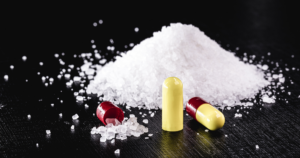
Understanding what is hash drug and how it differs from regular marijuana is essential for anyone concerned about substance use—whether for themselves, a family member, or a friend. What is hash drug’s elevated THC concentration can lead to more intense psychological effects, faster tolerance development, and increased addiction risk compared to lower-potency cannabis. This guide explores how hashish is produced, the short-term and long-term health consequences of use, warning signs of dependency, and evidence-based treatment options available for those struggling with what is hash drug addiction. By examining these critical aspects, you’ll gain the knowledge needed to make informed decisions and recognize when professional help becomes necessary.
How Hashish Is Made and Why Potency Matters
When people ask what is hash drug, they’re essentially asking about a cannabis concentrate created by separating and compressing trichomes—the resinous glands containing THC and other cannabinoids—from marijuana plants. Traditional hash production involves hand-rubbing fresh cannabis flowers to collect sticky resin, which is then rolled into balls or pressed into blocks. Modern methods include dry sifting, where dried plant material is shaken over fine screens to collect kief (loose trichomes), and ice water extraction, which uses cold water and agitation to separate trichomes that are then dried and pressed. How is hashish made through these various production methods concentrates THC levels far beyond what’s found in natural marijuana flower, creating a product that can contain 40-80% THC compared to marijuana’s typical 15-25% concentration.
The potency difference between what is hash drug and regular marijuana fundamentally changes the user experience and health risk profile, highlighting the hash vs marijuana differences that matter most for safety. What is hash drug in terms of physical appearance varies widely—pressed hash may look like dark brown or black blocks, hash oil appears as a thick, sticky liquid, bubble hash resembles sandy or powdery clumps, and rosin has a translucent, glass-like consistency. This concentration means users experience stronger psychoactive effects from smaller amounts, but it also accelerates tolerance development and increases the likelihood of adverse reactions. The question is hash more potent than weed has a clear answer: yes, significantly so, with hash delivering concentrated THC doses that affect the brain’s endocannabinoid system more intensely than smoking marijuana flower. Common consumption methods include smoking hash in pipes, mixing it with tobacco, vaporizing, or infusing into edibles.
| Hash Type | Production Method | Typical THC Content | Common Appearance |
|---|---|---|---|
| Traditional Pressed Hash | Hand-rubbed or dry-sifted kief compressed into blocks | 40-60% | Dark brown or black solid blocks |
| Bubble Hash | Ice water extraction with filtration bags | 50-70% | Sandy or powdery, light to dark brown |
| Hash Oil | Solvent extraction (butane, CO2, ethanol) | 60-90% | Thick, sticky liquid, amber to dark brown |
| Rosin | Heat and pressure extraction (solventless) | 70-85% | Translucent, glass-like consistency |
Short-Term and Long-Term Effects of What Is Hash Drug Use
The immediate effects of using what is hash drug include intense euphoria, altered sensory perception, impaired short-term memory, and distorted time perception that typically begin within minutes of smoking or vaporizing. What is hash drug users often experience increased heart rate, bloodshot eyes, dry mouth, and heightened appetite alongside the desired psychoactive effects. Coordination and motor skills become significantly impaired, making activities like driving extremely dangerous—hash’s high THC concentration amplifies these impairments beyond what users might experience with regular marijuana. Anxiety, paranoia, and panic attacks occur more frequently with concentrated cannabis products, particularly among inexperienced users or those consuming larger doses. The side effects of smoking hash can also include respiratory irritation, coughing, and chest discomfort, especially when hash is mixed with tobacco or smoked through harsh methods, with delayed onset in edible form often leading to accidental overconsumption.
Long-term effects of what is hash drug use extend far beyond temporary impairment, potentially causing lasting damage to physical and mental health. Chronic hash smoking damages lung tissue similarly to tobacco, increasing risks of bronchitis, chronic cough, and respiratory infections, while some research suggests potential links to lung cancer with prolonged heavy use. Cognitive function suffers with regular use of what is hash drug, particularly when started during adolescence—studies show persistent memory problems, reduced attention span, and decreased executive function even after cessation. Mental health consequences of what is hash drug include increased risk of anxiety disorders, depression, and in vulnerable individuals, psychosis or schizophrenia, with high-potency products like hash carrying greater risk than lower-THC marijuana. Cardiovascular effects such as elevated blood pressure and increased heart attack risk become more pronounced with concentrated products, particularly concerning for individuals with pre-existing heart conditions.
- Respiratory damage including chronic bronchitis, persistent cough, increased mucus production, and potential lung tissue scarring from long-term inhalation of concentrated cannabis smoke.
- Cognitive impairment affecting memory formation, learning capacity, attention span, and decision-making abilities, with more severe effects when use begins during adolescent brain development.
- Mental health deterioration including heightened anxiety, depression symptoms, emotional instability, and increased psychosis risk in genetically predisposed individuals.
- Cardiovascular strain manifesting as elevated heart rate, increased blood pressure, and higher risk of heart attack or stroke, especially dangerous for older users or those with heart conditions.
- Tolerance and dependency development requiring progressively larger doses to achieve desired effects, leading to withdrawal symptoms like irritability, insomnia, and appetite changes when use stops.
Recognizing the Signs of What Is Hash Drug Use and Addiction
Identifying signs of hashish use requires attention to behavioral, physical, and psychological changes that may indicate someone is regularly using what is hash drug. Physical indicators include bloodshot or glassy eyes, frequent use of eye drops, persistent cough, unusual odors on clothing or breath, and possession of pipes, vaporizers, or small blocks of dark, resinous material. Behavioral changes often manifest as altered sleep patterns, increased secrecy, withdrawal from family and friends, declining performance at work or school, and financial problems related to purchasing hash. Psychological signs include mood swings, increased anxiety or paranoia, memory problems, difficulty concentrating, and reduced motivation or interest in previously enjoyed activities. The signs of hashish use may be more subtle than with other substances, as cannabis culture normalization leads many users to minimize or hide their consumption patterns. Paraphernalia specific to what is hash drug use—such as small metal screens, specialized pipes, or dabbing equipment for hash oil—provides concrete evidence of concentrated cannabis use rather than occasional marijuana smoking.
Understanding what is hash drug in the context of addiction potential challenges the persistent myth that cannabis products are non-addictive. Tolerance builds as the brain’s cannabinoid receptors downregulate in response to frequent THC exposure, requiring users to consume more what is hash drug to achieve the same effects. When asking what is hash drug in terms of potency, is hash more potent than weed becomes a critical question—the answer is definitively yes, and this increased potency correlates directly with faster tolerance development and stronger withdrawal symptoms. Withdrawal symptoms emerge when regular users stop, including irritability, anxiety, insomnia, decreased appetite, restlessness, and intense cravings that can persist for weeks. These physical and psychological dependencies demonstrate that concentrated cannabis products carry genuine addiction risks that require professional intervention, despite common misconceptions that cannabis is harmless or impossible to become dependent upon.
| Warning Sign Category | Specific Indicators | Severity Level |
|---|---|---|
| Physical Signs | Bloodshot eyes, chronic cough, unusual odors, possession of paraphernalia | Moderate—indicates active use |
| Behavioral Changes | Secrecy, social withdrawal, declining performance, financial problems | High—suggests problematic use pattern |
| Tolerance Development | Needing larger amounts for same effect, increased frequency of use | High—indicates physical dependency |
| Withdrawal Symptoms | Irritability, anxiety, insomnia, cravings when unable to use | Severe—confirms addiction requiring treatment |
| Loss of Control | Failed attempts to quit, using despite negative consequences | Severe—immediate intervention needed |
Get Compassionate Hashish Addiction Treatment at Tennessee Behavioral Health
If you or someone you love is struggling with what is hash drug addiction, professional treatment provides the structured support and evidence-based interventions necessary for lasting recovery. Hashish addiction treatment options at Tennessee Behavioral Health combine medical expertise with compassionate care, addressing both the physical dependency and underlying psychological factors that drive continued use. Our specialized programs recognize that concentrated cannabis products like what is hash drug create unique treatment challenges due to their high potency and the widespread misconception that cannabis addiction isn’t serious. We offer comprehensive assessment, medically supervised detoxification when needed, individual and group therapy using cognitive-behavioral approaches, family counseling to rebuild relationships, and aftercare planning to prevent relapse. Tennessee Behavioral Health’s treatment philosophy emphasizes dignity, respect, and personalized care that addresses each client’s unique circumstances, co-occurring mental health conditions, and recovery goals. Don’t let misconceptions about cannabis addiction prevent you from seeking help—contact Tennessee Behavioral Health today to learn how our evidence-based programs can help you or your loved one break free from hash dependency and reclaim a healthier, more fulfilling life.
FAQs About Hash Drug Effects and Risks
Is hash more addictive than regular marijuana?
Yes, hash carries higher addiction risk than regular marijuana due to its significantly elevated THC concentration, which accelerates tolerance development and creates stronger physical dependency. The more potent a cannabis product, the faster users develop tolerance requiring larger doses, and the more severe withdrawal symptoms become when use stops.
What does hash look like and how is it used?
Hash appearance varies by production method—traditional pressed hash resembles dark brown or black blocks, bubble hash looks sandy or powdery, hash oil appears as thick amber liquid, and rosin has a translucent glass-like consistency. Common consumption methods include smoking in pipes or mixed with tobacco, vaporizing, or infusing into edibles for oral consumption.
Can you overdose on hash?
While fatal overdose from what is hash drug alone is extremely rare, THC toxicity can cause severe symptoms including extreme anxiety, paranoia, rapid heart rate, vomiting, and temporary psychosis requiring emergency medical attention. These acute reactions from what is hash drug occur more frequently with concentrated products like hash compared to regular marijuana, particularly when users consume more than intended or combine hash with other substances.
How long does hash stay in your system?
Detection windows for hash depend on usage frequency and testing method—occasional users may test positive for 3-7 days in urine, while daily users can test positive for 30-90 days due to THC storage in fat cells. Blood tests detect recent use for 1-2 days, while hair follicle tests can identify use for up to 90 days, with detection periods potentially longer for concentrated products like hash.
What makes hash oil different from other cannabis concentrates?
Hash oil typically refers to solvent-extracted concentrates with 60-90% THC content, while other concentrates like rosin use solventless extraction and bubble hash uses ice water methods, each producing different textures and potency levels. All concentrated cannabis products including what is hash drug variations like hash oil carry elevated health risks compared to marijuana flower due to their extreme THC concentrations and more intense effects on the brain’s cannabinoid system.