Skip to content


If you’ve ever caught yourself snapping at a loved one the same way your father did, or noticed your child’s explosive temper mirrors your own, you’re not alone in wondering whether temper issues run in families. Many people recognize patterns of aggression across generations and fear they’re destined to repeat them. The question “Are anger issues genetic?” reflects a deeper concern: can we inherit our parents’ worst traits, and if so, are we powerless to change?
The short answer is nuanced. Research shows that hereditary anger problems do exist—certain genetic variations influence how we regulate emotions and respond to stress. But genetics is only part of the story. Understanding the interplay between inherited temperament and learned behavior is the first step toward breaking cycles of anger that may have plagued your family for years. Whether you’re worried about your own reactions or concerned about what you might be passing to your children, knowledge and intervention can rewrite the script.
The Science Behind Hereditary Anger Problems
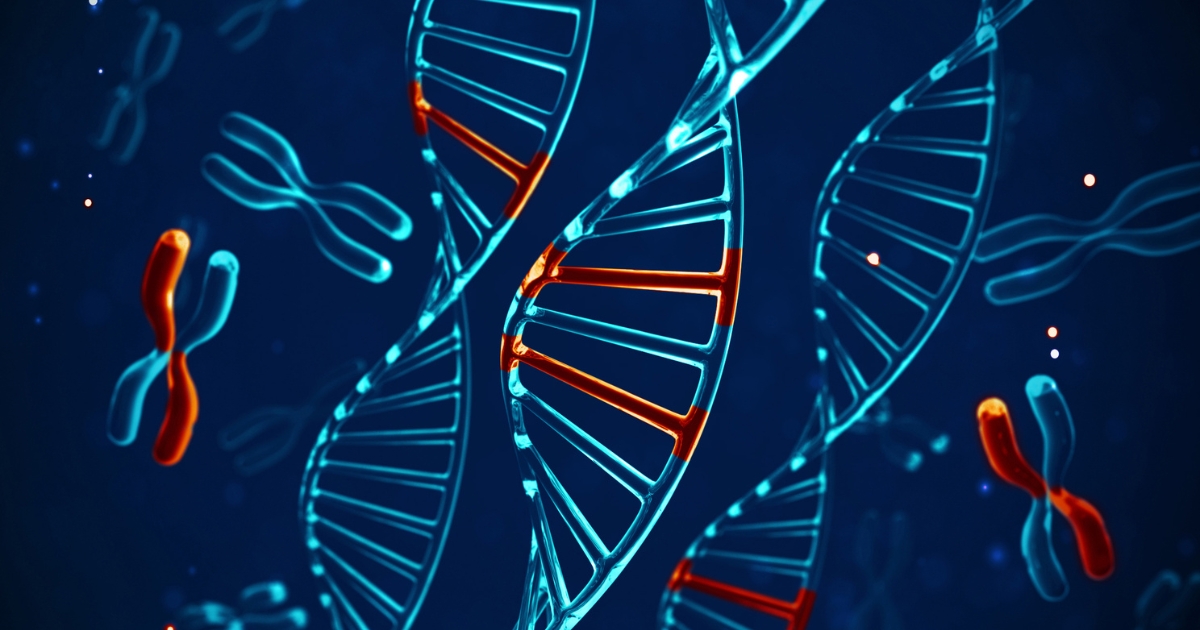
Genetic research has identified specific variations that influence emotional regulation and impulse control. The serotonin transporter gene (5-HTTLPR) affects how efficiently the brain processes serotonin, a neurotransmitter that stabilizes mood. People with certain variants of this gene show heightened reactivity to negative stimuli and difficulty calming down after provocation. Similarly, the MAOA gene—sometimes sensationalized as the “warrior gene”—plays a role in breaking down neurotransmitters like dopamine and norepinephrine. Low-activity versions of MAOA have been linked to increased aggression, particularly when combined with childhood trauma or stress.
However, inheriting these markers doesn’t guarantee you’ll express irritability the same way your parents did. When families ask whether anger issues are genetic, they’re often really asking whether they’re doomed to repeat patterns—and the answer is no. A family history of aggression increases risk but doesn’t guarantee outcomes. Think of genes as setting a range of possible responses rather than dictating a fixed destiny. One sibling might inherit the same genetic profile as an explosive parent yet develop healthy coping skills, while another might struggle without intervention. The difference often lies in environmental factors, learned behaviors, and access to support.
Nature Versus Nurture in Anger: How Both Shape Your Responses
Understanding how inherited temperament interacts with childhood experiences helps answer a question many families ask: can you inherit anger from parents? The answer is layered. Babies are born with different baseline reactivity levels, but temperament isn’t destiny. A highly reactive infant raised by patient caregivers often develops better self-regulation than a less reactive child in a chaotic environment. This interaction is why the question of whether anger issues are genetic requires a both/and answer rather than either/or.
Epigenetics adds another layer of complexity. Environmental factors can literally turn anger-related genes “on” or “off” through chemical modifications that don’t change the DNA sequence itself but do change how genes are expressed. Chronic stress, trauma, substance exposure, and even nutrition during critical developmental windows can alter genetic expression. This means that two people with identical genetic risk factors might have vastly different outcomes based on their life experiences. It also means that changing your environment and behaviors can influence how your genes function—offering hope for breaking generational anger patterns.
Several environmental factors play crucial roles in determining whether genetic predispositions translate into chronic temperament issues:
- Exposure to trauma or adverse childhood experiences that heighten stress responses and normalize aggression
- Parenting styles that either validate emotions and teach regulation skills or dismiss feelings and model explosive reactions
- Chronic stress levels in the home environment, including financial instability, parental conflict, or community violence
- Substance use by caregivers, which disrupts emotional availability and often co-occurs with verbal or physical aggression
- Quality of emotional regulation modeling—whether children observe adults managing frustration constructively or losing control
- Access to mental health support and early intervention when temperament problems first emerge
| Genetic Influence | Environmental Influence | Combined Impact |
|---|---|---|
| High genetic risk + supportive environment | Caregivers model healthy coping, provide therapy access, teach skills | Moderate risk; individual learns to manage inherited reactivity effectively |
| Low genetic risk + adverse environment | Trauma, neglect, exposure to chronic aggression | Moderate to high risk; learned patterns override protective genetics |
| High genetic risk + adverse environment | No emotional support, modeling of explosive anger, untreated trauma | Highest risk; biological and environmental factors compound |
| Low genetic risk + supportive environment | Secure attachment, emotional validation, skill-building | Lowest risk; protective factors on both fronts |
Biological Factors in Anger Control Beyond Genetics
While inherited temperament and mood disorders set the stage, other biological factors influence how well someone manages anger day to day. Brain structure and function matter—the prefrontal cortex, responsible for impulse control and rational decision-making, doesn’t fully mature until the mid-20s. This explains why adolescents and young adults often struggle more with explosive reactions even without a genetic predisposition.
Hormone levels, medical conditions like hyperthyroidism or chronic pain, and certain medications can all lower the threshold for irritability.
Substance use deserves special attention—alcohol and stimulants directly impair impulse control, and chronic use can cause lasting brain chemistry changes. If substance use runs in your family alongside anger problems, integrated treatment addressing both becomes critical. Each condition worsens the other when left untreated.
Breaking Generational Anger Patterns: What You Can Do Now
If you’re wondering whether genetic risk equals genetic destiny, the answer is empowering: it doesn’t. When you recognize both genetic predisposition and learned patterns in your family history, you don’t have to accept defeat. Effective interventions exist for individuals who see their parents’ explosive tempers reflected in their own behavior. Cognitive-behavioral therapy (CBT) identifies thoughts fueling angry reactions and teaches alternative responses. Dialectical behavior therapy (DBT) builds distress tolerance and emotion regulation skills—particularly valuable for people with inherited mood disorders or trauma histories that compound genetic risk.
For parents concerned about passing anger issues to children, early intervention makes a profound difference. Modeling healthy emotional expression and narrating your own regulation process—”I’m feeling really frustrated right now, so I’m going to take some deep breaths”—gives children a blueprint for managing inherited reactivity. Family therapy can address multi-generational patterns.
Practical strategies for interrupting inherited patterns include establishing clear boundaries around aggressive behavior, creating calm-down routines before conflicts escalate, and seeking professional support at the first signs of chronic problems. Medication may help by addressing underlying anxiety, depression, or impulse-control issues that compound anger responses.
| Intervention Type | Target Population | Primary Benefit |
|---|---|---|
| Individual CBT or DBT | Adults with chronic anger issues | Develops cognitive and behavioral skills to manage triggers and reactions |
| Parent training programs | Parents worried about modeling anger for children | Teaches emotion coaching and positive discipline strategies |
| Family systems therapy | Families with multi-generational aggression patterns | Addresses communication patterns and roles that perpetuate conflict |
| Medication evaluation | Individuals with co-occurring mood or impulse-control disorders | Stabilizes underlying conditions that intensify anger responses |

Rewriting Your Family’s Story at Tennessee Behavioral Health
If you’ve been asking, “Are anger issues genetic?” and feeling discouraged by the answer, remember that understanding genetic components doesn’t mean you’re powerless—it means you have a clearer roadmap for change. Whether your family history includes explosive tempers, chronic irritability, or aggression that’s caused real harm, effective treatment addresses both the biological and learned aspects of anger management and genetics. At Tennessee Behavioral Health, our integrated approach combines evidence-based therapies with medical evaluation to create personalized treatment plans that interrupt generational patterns. We work with individuals and families to build the skills and insights needed to manage inherited reactivity, heal from trauma, and create healthier emotional legacies. If you’re ready to break the cycle, our team is here to support you every step of the way. Contact us today to schedule a confidential assessment and start rewriting your family’s story.
FAQs
These common questions address the intersection of genetics, family patterns, and anger management.
1. Can you inherit anger from parents?
You can inherit genetic variations that make you more reactive to stress and slower to calm down after provocation, but you don’t inherit anger itself. What often feels like inherited anger is a combination of genetic temperament and learned behaviors from watching how your parents expressed and managed their emotions.
2. What genes are linked to anger problems?
The serotonin transporter gene (5-HTTLPR) and the MAOA gene are most strongly associated with aggression and emotional reactivity. Variations in these genes affect how the brain processes neurotransmitters that regulate mood and impulse control, though having these variants doesn’t guarantee anger issues will develop.
3. If anger runs in my family, will I definitely have anger issues?
No—a family history increases risk but doesn’t determine your outcome. Environmental factors, learned coping skills, and access to treatment all influence whether genetic predispositions translate into chronic anger problems. Many people with significant genetic risk never develop serious issues, while others without family history struggle due to trauma or other factors.
4. Can therapy help with genetically influenced anger?
Yes—evidence-based therapies like cognitive-behavioral therapy and dialectical behavior therapy are highly effective for anger management regardless of genetic factors. These approaches teach specific skills for recognizing triggers, managing intense emotions, and choosing constructive responses even when your biology makes you more reactive.
5. At what age do inherited anger issues typically appear?
Signs of inherited temperament appear in infancy through reactivity and difficulty self-soothing, but anger problems typically become more apparent during toddlerhood, adolescence, or early adulthood when stress and independence increase. Early intervention during childhood and teen years is most effective for preventing chronic patterns from developing.