Skip to content

Social Anxiety Disorder: How It Reshapes Your Daily Interactions and Relationships
Most people have felt their stomach drop before a big moment. But social anxiety disorder is nothing like regular nerves. Often described as the most common phobia of social anxiety, this condition can affect nearly every aspect of daily life. It does not go away after the moment passes. It shows up every day – at the coffee shop, in the elevator, during a five-minute work call. One of the most common mental health challenges adults carry around, often for years, without ever naming it.
How Social Anxiety Quietly Disrupts Everyday Life
The changes happen slowly. You stop accepting invitations. You answer texts hours later – not because you forgot, but because you need time to figure out what to say. Eye contact feels wrong. Small talk feels like a performance. Friends stop reaching out. Partners feel shut out. Work gets harder. It chips away at your life in ways that are difficult to explain.
The Physical Manifestations of Social Fear
Here is what most people miss: social anxiety hits the body harder than the mind.
How Anxiety Symptoms Show Up in Your Body
Your hands shake. Your face goes red. Your mouth dries up before you have said a word. These are anxiety symptoms – real, physical, completely involuntary. The National Institute of Mental Health lists social anxiety disorder as one of the most widespread mental health conditions in the US, and physical symptoms are often what bring people to seek help first.
Panic Attacks and Their Role in Social Situations
For some people, the anxiety spikes into something worse. Panic attacks in public feel catastrophic – heart hammering, breathing gone wrong. The fear response gets stronger every time you leave early or avoid the situation. Escaping feels like relief. It is actually what keeps you stuck.
Why Social Settings Trigger Your Fear Response
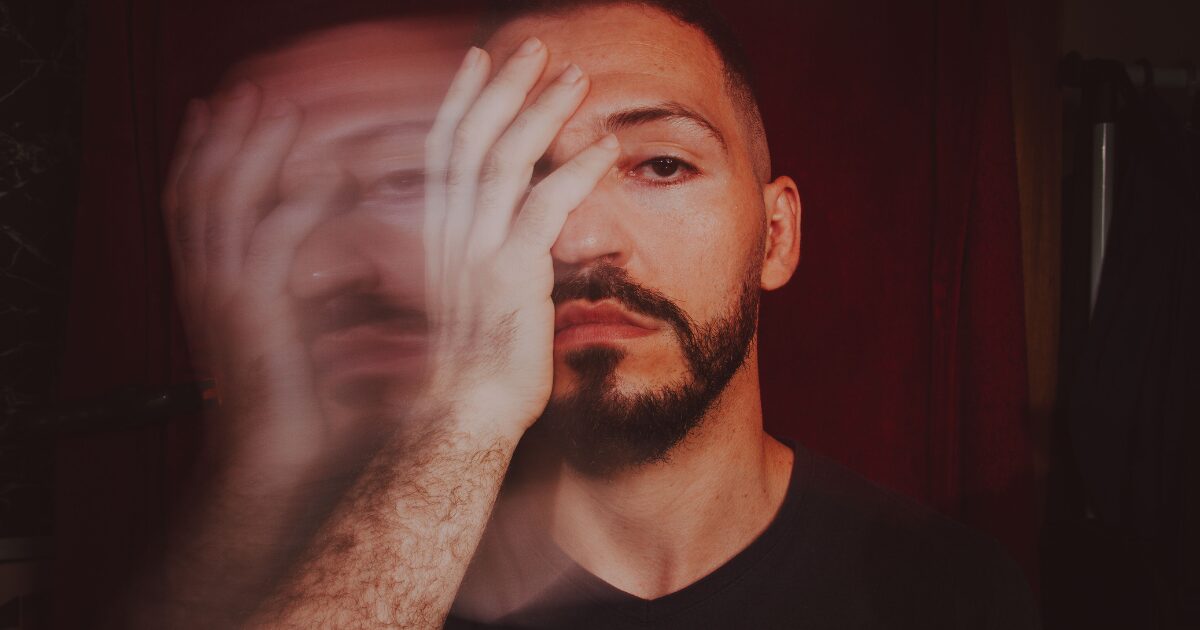
At some point, something happened. You froze mid-sentence in front of coworkers. Someone laughed at the wrong moment. Your brain decided social situations are not safe. Now your fear response fires before you even walk through the door. The table below illustrates how that plays out.
| Social Situation | Fear Response in the Body |
| Presenting at work | Voice shakes, mind goes blank, chest tightens |
| Eating around others | Stomach turns, cannot stop thinking about who is watching |
| Running into someone you know | Palms sweat, urge to turn around immediately |
| Being introduced to a group | Face flushes, anxiety symptoms hit all at once |
Breaking the Cycle: Cognitive Behavioral Therapy Approaches
CBT does not ask you to be positive. It asks you to look at the thought running the show and ask one question: Is this actually true?
Rewiring Negative Thought Patterns
“They all think I am an idiot.” “I will say something wrong.” These are the thoughts cognitive behavioral therapy targets. A therapist helps you catch them before they spiral, test them against real evidence, and build new thinking habits over time. Slow work – but it sticks.
Exposure Therapy: Gradual Steps Toward Confidence
Exposure therapy sounds challenging if you have never experienced it. Deliberately placing yourself in situations you dread can feel counterintuitive, but the evidence behind it is strong.
Starting Small and Building Tolerance
You do not start with the scariest thing. Exposure therapy builds a ladder, one step at a time. A therapist might walk you through the following:
- Texting someone first instead of waiting for them.
- Picking up a call you would normally send to voicemail.
- Staying somewhere social for ten minutes without leaving early.
- Introducing yourself to one new person, nothing more.
- Sitting near the front of a room instead of the exit.
Managing Panic Attacks During Treatment
Panic attacks during sessions happen. They are not a sign that therapy is not working. Your therapist shows you how to stay present – breathing patterns, grounding techniques, and ways to hold steady when your brain says run.
Mental Health Support for Social Anxiety
Therapy is the foundation, but good mental health care usually involves more. Sleep matters. Exercise helps, even in small amounts. Medication can reduce symptoms sufficiently to make therapy more effective. The Anxiety and Depression Association of America keeps a free directory of licensed therapists who specialize in social anxiety – worth bookmarking.
Your Path to Recovery Starts at Tennessee Behavioral Health
Social anxiety is one of the most common phobias we work with at Tennessee Behavioral Health, and people are often surprised by how much better things can get. We build phobia treatment plans around real life – cognitive behavioral therapy, exposure therapy, medication support, and steady mental health care for where you actually are. You have managed this long enough alone. Reach out to us today.
FAQs
-
Can social anxiety symptoms worsen without professional phobia treatment?
Yes, skipping treatment almost always lets social anxiety spread further over time. Avoidance keeps the fear alive – it needs that pattern to keep growing stronger. Early treatment is what breaks the cycle before it takes deeper root.
-
How long does exposure therapy typically take to reduce panic attacks?
Most clients notice a real shift within twelve to sixteen weeks of regular sessions. Panic attacks lose their grip as the brain learns social settings are not actual threats. Pace always adjusts based on what the person can handle each week.
-
What physical anxiety symptoms occur before the mental fear response sets in?
The body moves first – pulse climbs and hands sweat before any thought forms. Nausea, tight chest, dry mouth – these anxiety symptoms arrive before conscious fear. Your nervous system decides something is wrong before your mind even catches up.
-
Does cognitive behavioral therapy work for severe social phobia cases?
Cognitive behavioral therapy has a strong record with severe social phobia cases, too. It rewires the thought patterns underneath the fear response, not just surface symptoms. Medication alongside therapy often makes a significant difference in serious cases.
-
Are panic attacks during treatment a sign therapy is not working?
Panic attacks early in sessions signal you are facing real fears, not that therapy is failing. Exposure therapy only works when you confront the situations you normally avoid. Staying with the process is essential – sessions build on each other, and attack intensity drops over time.